
























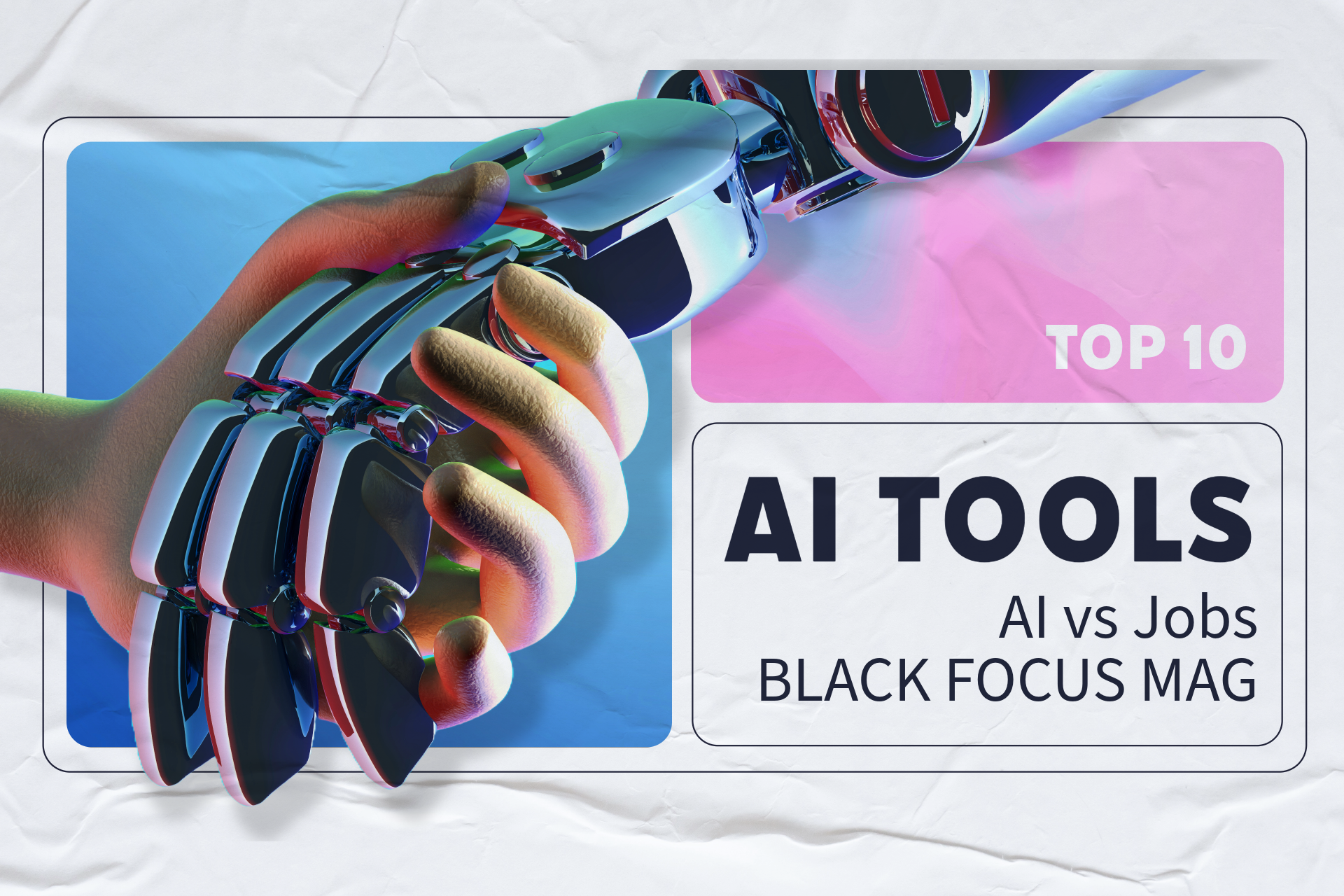
Artificial Intelligence (AI) is rapidly reshaping industries worldwide, and Nigeria is no exception. As we approach 2026, the impact of AI on the Nigerian job market presents a dynamic blend of opportunity and challenge. While some jobs face a significant risk of automation, new roles are emerging that could redefine how Nigerians work, build careers, and contribute to the economy.
Understanding this balance is critical for workers, policymakers, educators, and businesses alike as they navigate the future of work in Nigeria’s evolving digital landscape.
Jobs at Risk of Being Automated by AI
AI excels at automating repetitive, predictable tasks—jobs where routine dominates and human creativity or complex judgment is minimal. In Nigeria, several traditional roles fall into this category, making them vulnerable to AI-driven automation.
1. Customer Service Representatives
AI-powered chatbots and virtual assistants have become increasingly sophisticated, capable of handling routine customer inquiries 24/7 without fatigue. Many Nigerian banks, telecom companies, and online services are adopting these tools to reduce wait times and improve efficiency.
While AI can handle common questions and transactions, complex issues still require human agents. However, the overall demand for large customer service teams is expected to shrink as automation becomes more capable.
2. Content Writers (Basic/Template-Based)
AI writing tools like ChatGPT and other language models can generate articles, marketing copy, and reports, particularly for formulaic or data-driven content. Nigerian media houses, marketing agencies, and businesses using AI to produce routine content can reduce manual writing workloads.
This trend threatens entry-level writing roles focused on basic content generation but also pushes writers toward more creative, investigative, and nuanced storytelling, which AI cannot yet replicate effectively.
3. Data Entry Clerks
Manual data entry is one of the most straightforward tasks for AI and machine learning systems to automate. Nigerian companies handling large volumes of paperwork—such as banks, insurance firms, and government agencies—are increasingly adopting AI-powered tools to capture, process, and organize information accurately and rapidly.
While this reduces the need for manual data entry jobs, it frees human workers to focus on data analysis and decision-making.
Jobs AI Will Create and Transform
While AI automates certain roles, it equally creates new opportunities—many of which require technical expertise, creativity, and critical thinking. Nigeria’s growing tech ecosystem stands to benefit from these emerging roles.
1. AI Trainers
AI systems learn from large datasets, which must be labeled and curated accurately. AI trainers play a crucial role by teaching machines to understand language nuances, recognize images, and make decisions. This job requires both domain knowledge and technical skills.
In Nigeria, AI trainers may work in sectors like agriculture (training AI on crop images), healthcare (annotating medical scans), and finance (classifying transaction data).
2. Prompt Engineers
A relatively new but fast-growing role, prompt engineers specialize in crafting effective inputs for AI models to generate desired outputs. This is especially important for content creation, customer service automation, and data analysis.
Prompt engineering requires creativity and deep understanding of AI capabilities and limitations—skills that Nigerian innovators can develop through targeted education and training.
3. AI Ethics and Compliance Specialists
As AI usage expands, so does the need for ethical oversight. Specialists ensure AI systems are fair, transparent, and comply with legal and societal standards. Given concerns about bias and privacy, this emerging role is crucial for trustworthy AI adoption.
Nigeria’s regulatory bodies and private sector will increasingly rely on these experts to guide responsible AI deployment.
4. AI Maintenance and Support Technicians
Complex AI infrastructure requires ongoing maintenance, troubleshooting, and optimization. Skilled technicians familiar with AI hardware and software will be in demand to keep systems running smoothly.
Training programs in AI system maintenance can help Nigerian technicians enter this growing job market.
5. Data Analysts and Scientists
AI generates vast amounts of data, but it takes human expertise to interpret and leverage it effectively. Nigerian data analysts and scientists use AI-driven insights to improve business decisions, healthcare outcomes, and government planning.
This role blends statistics, programming, and domain expertise—fields rapidly expanding in Nigeria’s universities and tech hubs.
How Nigerians Can Prepare for the AI Job Shift
Effective preparation is key to thriving amid AI-driven change. Here are practical steps Nigerians can take:
Upskill and Reskill
- Learn AI fundamentals: Online platforms like Coursera, edX, and local initiatives offer courses in AI, machine learning, and data science.
- Develop programming skills: Languages like Python, R, and JavaScript are vital for AI work.
- Acquire digital literacy: Understanding AI’s impact and tools helps workers adapt in any industry.
Focus on Creativity and Emotional Intelligence
Jobs requiring human empathy, creativity, and complex decision-making remain less susceptible to automation. Careers in arts, counseling, leadership, and innovation will continue to thrive.
Explore Tech-Adjacent Careers
Roles supporting AI development, deployment, and ethics offer promising career paths. Positions in project management, user experience design, and AI policy are growing fields.
Government and Industry Initiatives
Nigeria’s government and private sector are beginning to invest in digital skills training and AI research centers. Supporting these initiatives and advocating for broader access to technology education will help prepare the workforce.
The Balanced Future of Work in Nigeria
AI in Nigeria is not just about job displacement; it’s about evolving the workforce to meet future demands. The transition requires cooperation among businesses, educational institutions, government agencies, and civil society to ensure:
- Inclusive training programs that reach underserved populations.
- Policies protecting workers’ rights and promoting fair AI use.
- Innovation ecosystems that foster AI startups and entrepreneurship.
With thoughtful planning, AI can unlock new economic opportunities and improve productivity across sectors.
Join the Conversation
What are your thoughts on AI’s impact on jobs in Nigeria? Are you worried about automation, or excited about new tech careers? How are you personally preparing for the AI-driven future?
Share your views and experiences in the comment section below! Your insights help shape a more informed and empowered community.
Resources for Further Learning
- World Economic Forum on AI and Jobs:
WEF Future of Jobs Report - Google AI
Google AI - Coursera AI & Data Science Courses:
Coursera AI for Everyone - Nigerian AI Lab – AI4D:
AI for Development Nigeria
Black Focus Magazine is committed to bringing you the latest insights on AI, technology, and workforce trends shaping Nigeria’s future. Stay tuned for more!