

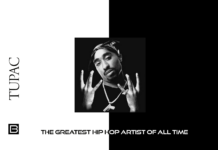





















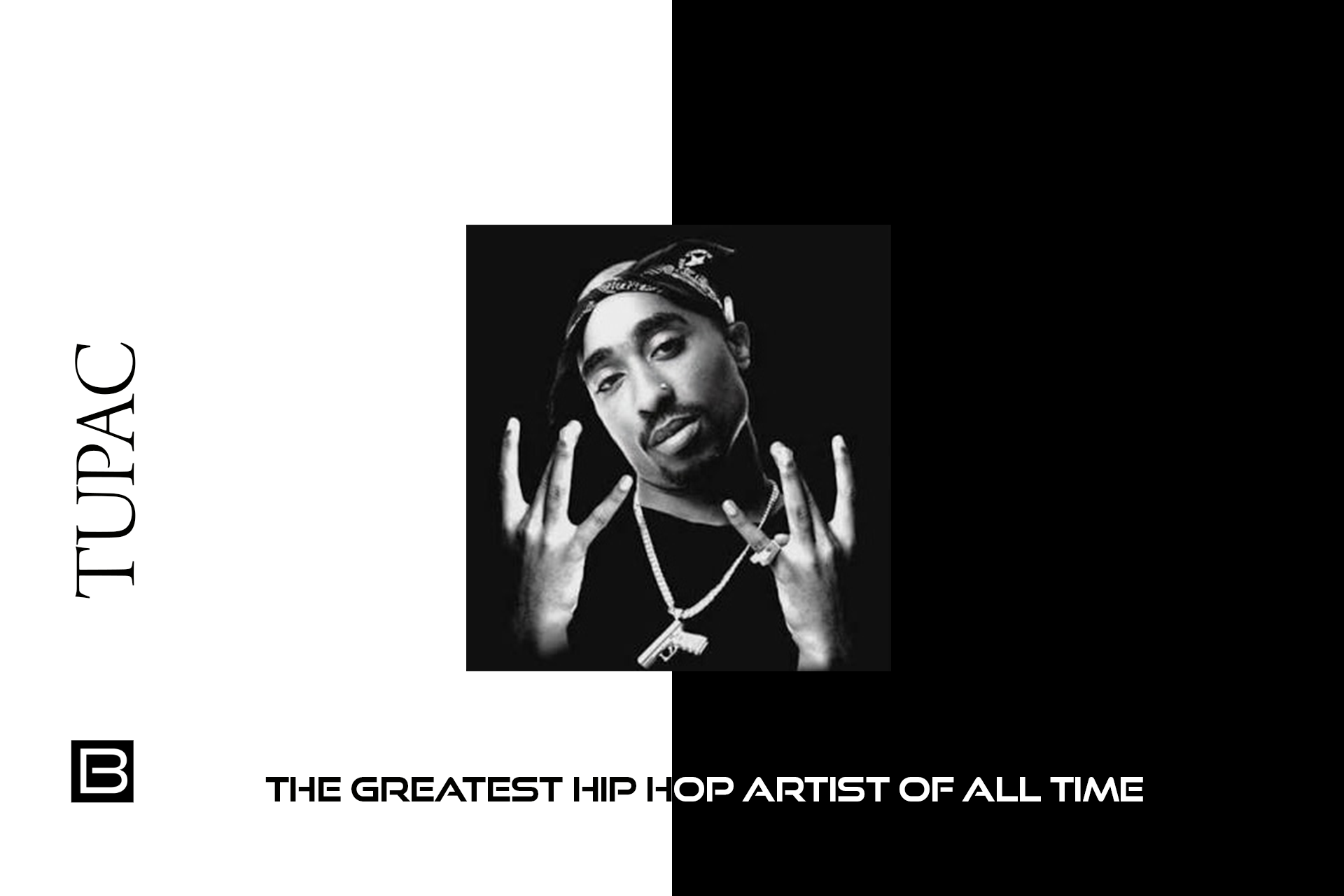
Tupac Amaru Shakur’s story is one of brilliance, contradiction, and tragedy—a powerful narrative etched into the very fabric of hip-hop and Black cultural history. Raised by parents who were Black Panthers, Tupac’s life was a fusion of revolutionary politics, poetic artistry, and the harsh realities of the streets. From his early days as a politically conscious poet and actor to becoming one of hip-hop’s most influential voices, Tupac’s journey is as compelling as it is heartbreaking.
Early Life and Roots in Revolution
Born into a family deeply embedded in activism, Tupac’s upbringing was shaped by the ideology and struggles of the Black Panther Party. His mother, Afeni Shakur, was a fearless revolutionary who instilled in him a fierce sense of justice and resilience. From a young age, Tupac was not just an artist but a messenger—his poetry and acting reflecting his belief in social change and empowerment.
His early exposure to theater and poetry at the Baltimore School for the Arts refined his artistic voice. Tupac was more than a rapper; he was a performer and a poet whose work was rooted in the realities of systemic oppression, poverty, and the fight for Black dignity.
The Rise of a Hip-Hop Icon
Tupac’s music career exploded in the early 1990s, blending raw storytelling with magnetic charisma. But it was his signing with Death Row Records in 1995 that marked a pivotal chapter.
At that time, Tupac was incarcerated, serving prison time for sexual abuse charges. Financially drained and frustrated by his previous label, Tupac caught the attention of Marion “Suge” Knight, CEO of Death Row Records. Knight offered to post Tupac’s $1.4 million bail in exchange for a contract requiring three albums—a deal Tupac signed on a napkin, desperate for freedom.
Upon his release, Tupac’s energy was electric and explosive. He channeled his anger into his art, targeting East Coast rivals and amplifying his voice in hip-hop’s growing feud.
Death Row Records and the Outlawz
Under Death Row, Tupac released All Eyez on Me in 1996—the first solo double album in hip-hop history. This album, featuring timeless hits like “California Love” and “How Do U Want It,” cemented Tupac’s commercial power and artistic peak. Yet, it also immersed him in a volatile world intertwined with gang politics.
To solidify loyalty, Tupac formed the Outlawz, a collective of fiercely loyal rappers who adopted revolutionary monikers inspired by historical enemies of the West. Tupac himself took the name Makaveli, inspired by the Italian philosopher Niccolò Machiavelli, known for his cunning and strategic thinking.
The Outlawz served as Tupac’s lyrical soldiers and bodyguards, playing a central role in his most infamous diss track, “Hit ‘Em Up,” which viciously targeted The Notorious B.I.G. and Bad Boy Records.
The East Coast-West Coast Rivalry
The friendship between Tupac and Christopher “Biggie Smalls” Wallace was once brotherly and genuine. Their bond formed in the early 1990s, with Tupac mentoring Biggie and even advising him to stay with his manager, Sean “Puffy” Combs.
But everything changed on November 30, 1994, at Quad Recording Studios in New York. Tupac was shot five times in a brutal attack. Though Biggie and Puffy denied involvement, Tupac came to believe they had betrayed him. This moment fractured the friendship and ignited one of music’s most infamous rivalries.
The feud quickly escalated into a coastal war between Death Row Records (West Coast) and Bad Boy Records (East Coast). The media sensationalized the conflict, turning it into a dangerous battle that blurred the lines between music and real life.
The Tragic Death of Tupac Shakur
On September 7, 1996, Tupac and Suge Knight attended the Mike Tyson vs. Bruce Seldon fight in Las Vegas. After the fight, Tupac was involved in a scuffle with Orlando “Baby Lane” Anderson, a member of a rival gang.
Later that night, while riding in a car driven by Suge Knight, Tupac was ambushed at a red light on East Flamingo Road. A gunman opened fire, hitting Tupac four times. He was rushed to the hospital and fought for his life but succumbed to his injuries on September 13, 1996, at just 25 years old.
His murder remained unsolved for decades until Duane Keith “Keffe D” Davis, Anderson’s uncle, was convicted in 2026 for orchestrating the hit. Tupac’s death and the violent aftermath marked the end of an era.
Aftermath: The Fall of Death Row and the Outlawz
Tupac’s death dealt a devastating blow to Death Row Records. Suge Knight was sentenced to prison for violating probation linked to the night of the shooting. Key artists like Dr. Dre and Snoop Dogg left the label, fearing the toxic environment.
Death Row spiraled into bankruptcy and was sold off, with Snoop Dogg ultimately acquiring the label in 2022, bringing a poetic close to its tumultuous history.
Meanwhile, the Outlawz faced tragedy and fragmentation. Tupac’s closest allies, like Yaki Kadafi, were killed shortly after 2Pac death. Other members pursued different paths, some leaving music entirely, while others continued to keep Tupac’s legacy alive through music and activism.
The Makaveli Era and Posthumous Legacy
Just two months after Tupac’s death, The Don Killuminati: The 7 Day Theory was released under his Makaveli alias. Recorded in just seven days, the album is Tupac’s darkest and most prophetic work, with haunting tracks like “Hail Mary” that reflect the turmoil surrounding his life.
His mother, Afeni Shakur, took charge of his vast unreleased vault, fighting legal battles to protect his artistic legacy. She founded Amaru Entertainment and curated posthumous releases that continued to dominate charts and minds.
Afeni’s dedication extended beyond music. She used royalties to build a youth arts center, nurturing the next generation and ensuring Tupac’s revolutionary spirit lived on.
Tupac: The Actor and Artistic Duality
Before his rap career peaked, Tupac was a talented actor. His roles in films like Juice (1992), Poetic Justice (1993), and Above the Rim (1994) showcased his range.
- In Juice, Tupac portrayed Bishop, a young man consumed by the desire for power, a role that blurred lines between fiction and his real-life “Thug Life” persona.
- Poetic Justice highlighted Tupac’s vulnerability and charm opposite Janet Jackson.
- Above the Rim cast him as Birdie, a menacing but charismatic gangster.
This duality—poet and thug, lover and fighter—was at the heart of Tupac’s artistry.
Revolutionary Poetry vs. Aggressive Diss Tracks
Tupac’s music is a study in contrasts.
As a revolutionary poet, he spoke truth to power, addressing systemic racism, poverty, and Black empowerment in songs like “Changes,” “Keep Ya Head Up,” and “Dear Mama.”
As an aggressive warrior, he used music as a weapon, especially in tracks like “Hit ‘Em Up,” where his rage was raw and unfiltered.
He embraced this duality, famously stating,
“I’m not saying I’m gonna change the world, but I guarantee that I will spark the brain that will change the world.”
This complexity made him relatable and unforgettable.
Tupac in Academia and Cultural Legacy
Tupac’s work transcended music to become a subject of academic study.
- Harvard University archived his entire discography and unreleased papers.
- UC Berkeley created courses exploring his poetry and political impact.
- His posthumous poetry book, The Rose That Grew from Concrete, is a staple in contemporary poetry classes, teaching themes of resilience and hope. Download Here The Rose That Grew from Concrete
His life and work are often compared to Shakespearean tragedy—his rise and fall embodying themes of fatal flaws and societal conflict.
Closing Reflections: The Enduring Legacy
Tupac Shakur’s life was tragically cut short, but his influence is eternal. From his revolutionary roots to his explosive career, the East Coast-West Coast rivalry, and his cinematic talent, Tupac’s story is a testament to the power of art as resistance.
His mother Afeni’s tireless defense of his legacy ensured that Tupac remains more than a symbol of violence and tragedy—he is remembered as a poet, a prophet, and a revolutionary whose voice continues to inspire millions worldwide.
Tupac Amaru Shakur’s journey reminds us that even in the face of violence and betrayal, the power of truth, passion, and artistry can transcend time and space. His legacy is not just the music he left behind, but the movement he ignited—a movement that continues to shape the world today.
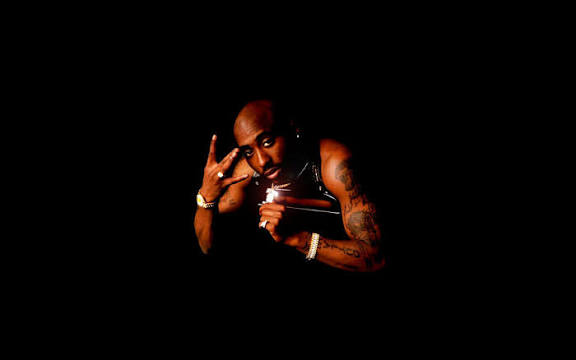
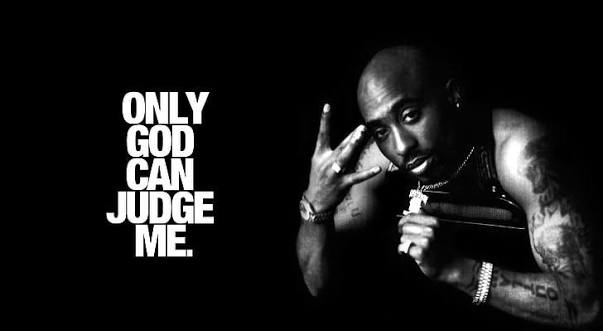
Join the Conversation
What do you think about Tupac and the many claims about him online?
Share your stories and insights in the comment section below! Your contributions may be featured in our next Black Focus Magazine article, with full credit to you. Let’s celebrate and amplify the voices driving change in music and culture together.
Stay tuned for more inspiring stories spotlighting music and entertainment.
Subscribe to 2Pac YouTube Channel Blow:
https://www.youtube.com/channel/UCMIdeeBjp_60Jv7ROpRxK6Q
Listen to 2Pac.