

























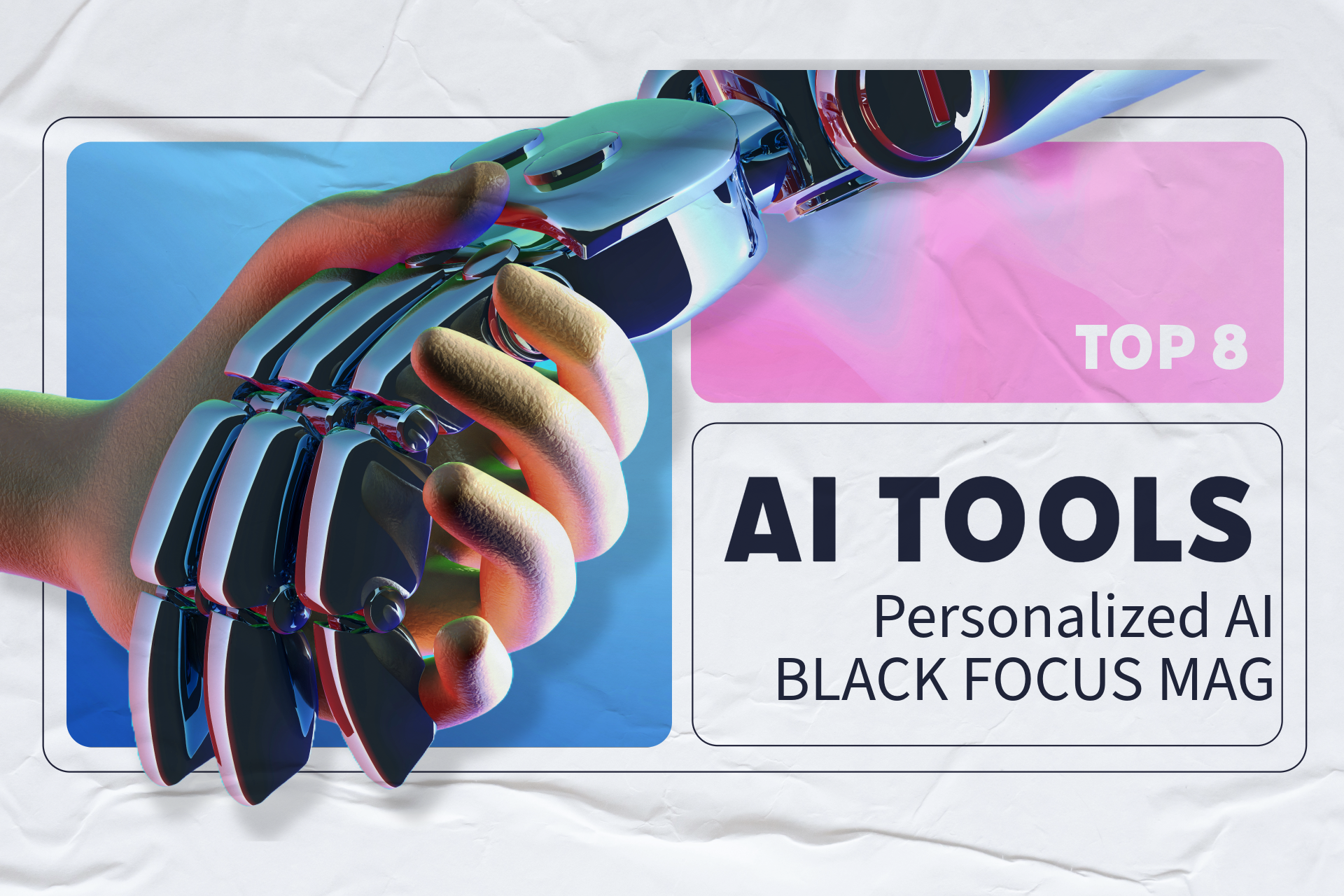
In 2026, the relationship between humans and technology has reached an unprecedented level of intimacy. As a researcher and writer focused on AI ethics and personalized technology, I have observed how personalized AI assistants have evolved far beyond simple helpers—they now remember everything about us, write in our voice, and manage our lives with remarkable precision. In many ways, your AI knows you better than your spouse.
The Rise of the Hyper-Personalized AI
Today’s AI is no longer just a digital scheduler or reminder system; it has transformed into a deeply integrated companion that stores your memories, preferences, and habits in a digital archive growing alongside you. This AI drafts emails, creates social media posts, and even responds to messages exactly as you would. This transformation has revolutionized productivity and communication, making daily life smoother and more efficient than ever.
Imagine an AI that recalls your favorite coffee order, anticipates your mood swings, and manages your household budget with a keen sense of your financial goals—all while sounding like you. This AI evolves alongside you, adapting its tone and style to mirror your unique personality. This level of personalization is both empowering and, for some, unsettling.
Through my research, I have coined the term “empathic computing” to describe this new frontier, where AI systems do not merely replicate our habits but also understand the emotional context behind our decisions, enabling more intuitive and meaningful assistance. However, this advancement requires us to carefully balance innovation with ethical responsibility.
Learn more about empathic computing:
- Empathic Computing Explained — MIT Technology Review
- Understanding AI Personalization — Stanford AI Lab
AI and Daily Tasks: Taxes Made Easy
One of the most practical applications of personalized AI is in managing our financial lives, especially the often daunting task of taxes. Tax season used to be a source of stress and confusion, but by 2026, AI has radically transformed this experience.
Your AI assistant tracks your expenses in real time, categorizes deductions, and alerts you to potential tax benefits as they arise. It understands the nuances of your financial situation—whether you’re self-employed, have multiple income streams, or own investment properties—and tailors its advice to optimize your returns.
Moreover, AI can automatically fill out tax forms on your behalf, double-check for errors, and submit your returns electronically once you approve. This reduces human error, saves time, and ensures compliance with the ever-changing tax codes. I believe that such AI tools not only increase efficiency but also democratize financial literacy, empowering a wider population to confidently manage their economic lives.
Explore AI tools for managing taxes:
Convenience at the Cost of Privacy?
The convenience of hyper-personalized AI comes with profound privacy trade-offs. To operate effectively, these systems collect and store vast amounts of personal data—your thoughts, relationships, routines, and emotional states. This deep learning allows AI to make decisions for you, but it also raises concerns about data security and surveillance.
The debate between privacy and convenience is more relevant than ever. On one side, users enjoy unparalleled ease and mental bandwidth freed for creativity and deeper human connection. On the other, there is the risk of over-dependence on AI, misuse of personal data, and erosion of privacy boundaries that once protected our personal lives.
From my research, I emphasize the critical need for transparency and user control. Without clear safeguards, personalized AI risks becoming a tool for manipulation rather than empowerment. I advocate for privacy-by-default designs that ensure users maintain ownership and control over their most intimate data.
For further reading on AI privacy:
- The Privacy vs. Convenience Debate — Electronic Frontier Foundation
- AI and Data Ethics — Harvard Berkman Klein Center
- How to Protect Your Privacy Online — Consumer Reports
Navigating the Balance
As personalized AI becomes inseparable from our daily lives, the key challenge is to find a sustainable balance. Developers and policymakers are working to establish transparent frameworks that prioritize user consent and data protection while preserving AI’s usefulness.
For individuals, understanding how much data is shared and how it’s used is essential. Empowering ourselves with knowledge and demanding ethical AI design can help us enjoy AI’s benefits without sacrificing fundamental rights.
Privacy-enhancing technologies like differential privacy, federated learning, and end-to-end encryption are becoming standard tools to protect user information. These innovations enable highly personalized AI experiences with reduced risk of data breaches and unauthorized surveillance.
I also strongly support educational initiatives that inform people about AI’s potential and pitfalls, helping them make informed decisions about which parts of their lives they want AI to know and assist with.
Learn about privacy technologies:
- Differential Privacy — Apple’s Approach
- Federated Learning Explained — Google AI Blog
- Encryption Basics — Electronic Frontier Foundation
The Emotional and Social Impact
Beyond practical assistance, personalized AI has deep emotional and social implications. When your AI knows you better than your spouse, it can anticipate needs, offer emotional support, and even provide companionship. For some, this digital intimacy fills gaps in social lives, especially in a world dominated by remote work and digital communication.
However, this raises important questions about human relationships. Can AI truly replace the empathy and understanding of another person? What happens to marriage and friendship when an AI knows your habits, thoughts, and feelings so intimately?
These questions are not just theoretical—they have real-world consequences. Some couples find their AI mediates schedules, finances, and emotional cues, improving communication and reducing conflict. Others worry about dependence on AI for emotional regulation, fearing it may dull authentic human connection.
Explore the social impact of AI:
- AI and Relationships — Psychology Today
- Digital Companionship — MIT Media Lab
- The Ethics of AI Companions — The Conversation
Conclusion
In 2026, the reality that your AI knows you better than your spouse is no longer science fiction. This intimate digital partnership offers incredible convenience but also challenges us to rethink privacy, emotional intimacy, and the boundaries between humans and machines.
As we navigate this new frontier, ongoing dialogue about trust, transparency, and control will shape the future of personalized AI and our lives. My hope is that through ethical design and informed use, AI will empower rather than diminish our humanity.
Join the conversation!
I encourage you to share your thoughts, experiences, and questions about personalized AI in the comment section below. How do you feel about an AI that knows you so intimately? Where do you think we should draw the line between helpful technology and privacy? Your voice matters in shaping this evolving relationship.
— John I. Ason





Get us flying, and we are ready to learn.