




In recent years, the rapid advancement of Artificial Intelligence (AI) has revolutionized countless industries, but few areas have experienced as dynamic a transformation as the creative sectors. From art and design to content creation, generative AI tools are reshaping the way artists, designers, and creators conceive, produce, and distribute their work. These technologies are not only enhancing creative processes but also opening new horizons that challenge traditional boundaries.
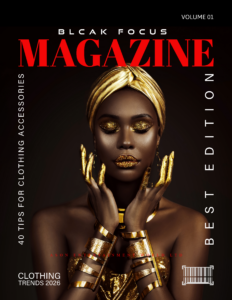
At Black Focus Magazine, we recognize the immense potential and the complex questions that arise with this digital revolution. We invite our readers to engage in this evolving conversation—your views and insights could be featured in our upcoming edition. Let’s explore how creative AI is changing the creative landscape and what that means for artists, audiences, and culture.
What Is Creative AI and Generative Tools?
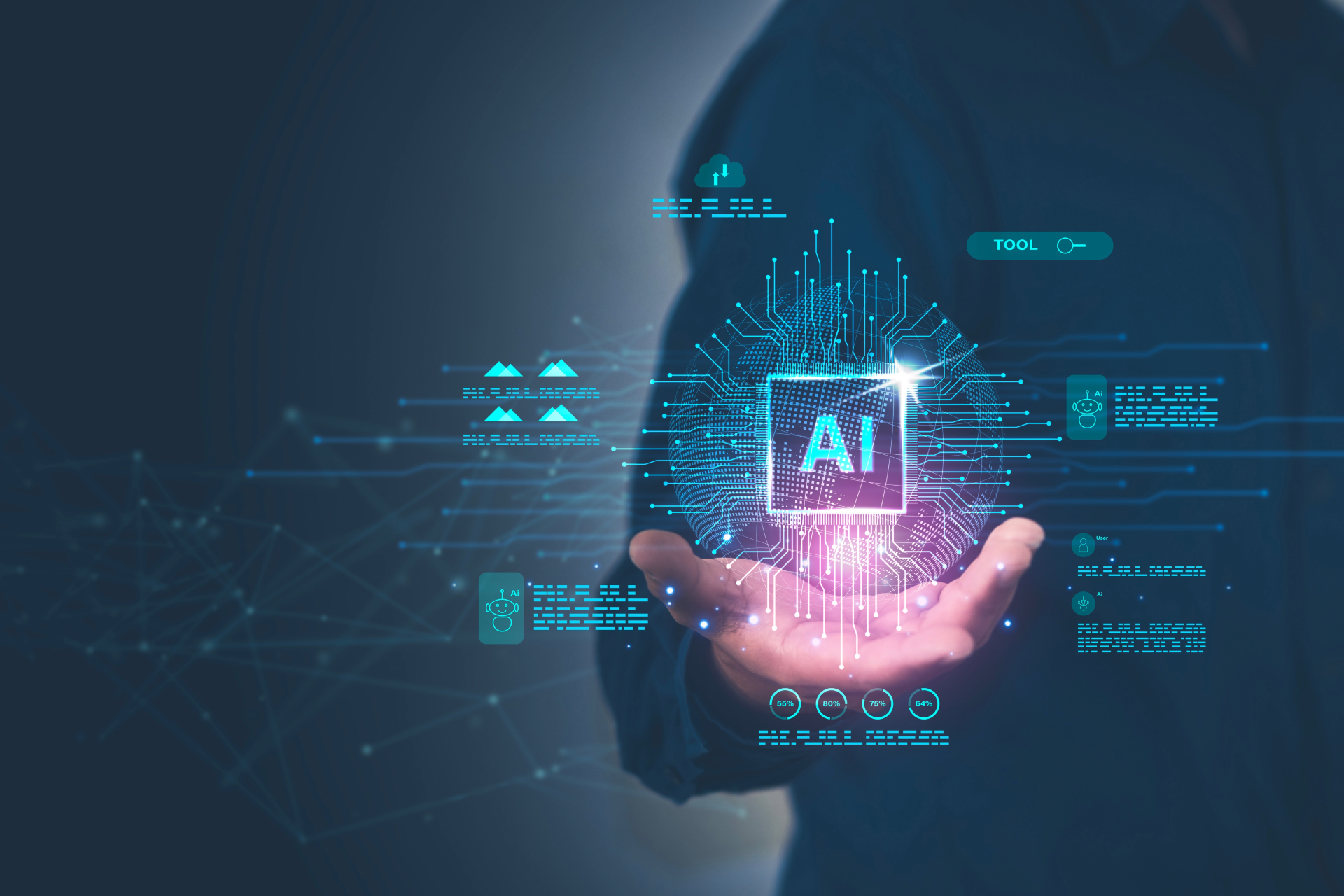
Creative AI refers to artificial intelligence systems designed to assist or autonomously generate creative outputs such as images, music, writing, and design. Among these, generative AI tools use machine learning models to produce new content based on patterns learned from vast datasets.
Examples of such tools include:
- AI art generators that create paintings, illustrations, and digital art.
- Music composition AI that can produce melodies, harmonies, and beats.
- Text generators capable of writing articles, poetry, scripts, or even code.
- Design assistants that help develop graphics, layouts, and branding assets.
These technologies leverage neural networks, especially Generative Adversarial Networks (GANs) and transformer models, to mimic and innovate upon human creativity.
The Impact of Generative AI on Art
Historically, art has been seen as a uniquely human endeavor—an expression of emotion, experience, and imagination. However, generative AI challenges this notion by demonstrating that machines can also create compelling and original works.
Democratizing Art Creation
AI tools have lowered barriers to entry for art creation. Anyone with access to an AI art generator can produce stunning visuals without traditional training in painting or digital design. This democratization empowers new voices and expands participation in art-making beyond established artists.
Expanding Artistic Possibilities
Artists are increasingly embracing AI as a collaborator rather than a competitor. By incorporating generative AI into their workflows, they explore new styles, experiment with form and color, and accelerate the creative process. AI can suggest novel ideas, generate base designs, or transform existing works into entirely new pieces.
Notable AI Art Milestones
- In 2018, “Portrait of Edmond de Belamy”, created by the Paris-based collective Obvious using GANs, sold at Christie’s auction for $432,500—sparking worldwide discussion about AI-generated art’s value and authenticity.
- AI-generated artworks are now featured in galleries and exhibitions globally, reflecting growing acceptance.
Revolutionizing Design and Visual Communication
Design is another creative field profoundly influenced by AI. From graphic design to fashion and architecture, generative AI tools provide designers with powerful new capabilities.
Speed and Efficiency
AI programs can rapidly generate multiple design options based on user input, enabling faster decision-making and iteration. This efficiency is especially valuable in commercial settings where deadlines and client demands are tight.
Personalization at Scale
AI allows for mass customization of designs tailored to individual preferences or behaviors. Brands use AI to create personalized marketing materials, packaging, and user interfaces that resonate more deeply with their audiences.
Enhancing Creativity
Rather than replacing designers, AI acts as an assistant that suggests unexpected combinations, color palettes, or layouts. This augmentation helps designers break creative blocks and explore beyond traditional boundaries.
Transforming Content Creation: Writing, Music, and Beyond
The impact of generative AI extends into content creation, where it is reshaping writing, music production, video, and even game development.
Writing and Journalism
AI-powered tools can produce news summaries, draft emails, write marketing copy, and even generate creative fiction. Tools like OpenAI’s GPT series can simulate human-like writing that is coherent, context-aware, and tailored to specific audiences.
Music and Audio
AI algorithms compose music in various genres, assist in mixing and mastering, and generate sound effects. Musicians use AI to inspire new compositions and streamline production workflows.
Film, Animation, and Games
Generative AI is also transforming visual storytelling by creating realistic animations, deepfake technology, and procedurally generated game environments, offering immersive and personalized experiences.
Ethical Considerations and Challenges
While creative AI offers exciting possibilities, it also raises important ethical and societal questions.
Authorship and Ownership
Who owns the rights to AI-generated art or writing? The balance between human creators and machine contributions is still legally and philosophically debated.
Impact on Jobs
Concerns exist that AI might replace creative jobs. However, many experts argue that AI will augment rather than eliminate roles, creating new types of creative professions.
Bias and Representation
AI models reflect the data they are trained on, which can perpetuate biases or exclude marginalized voices. Ensuring diversity and fairness in AI-generated content is a critical challenge.
The Future of Creative AI: Collaboration and Innovation
Looking ahead, the collaboration between humans and AI will likely deepen, leading to innovations that blend technology with human intuition and emotional depth.
Hybrid Creativity
Future creative workflows may integrate AI suggestions with human refinement, producing art and content that neither could achieve alone.
New Forms of Expression
AI could enable entirely new art forms—interactive installations, generative performances, and AI-driven virtual realities—that redefine how audiences engage with creativity.
Join the Conversation: Share Your Views with Black Focus Magazine
The rise of creative AI is a collective journey that affects artists, audiences, and industries worldwide. At Black Focus Magazine, we believe in building a strong community to discuss these transformative changes and their implications.
We want to hear from you:
- How do you see AI impacting creativity in your field or community?
- What opportunities or challenges do you foresee with generative AI?
- How can artists and creators harness AI while preserving human authenticity?
Share your thoughts in the comment section below. Your insights could be featured in our next edition, helping shape the future narrative around creative AI.
Conclusion
Generative AI is reshaping art, design, and content creation in profound ways. It democratizes creativity, enhances artistic possibilities, and challenges conventional ideas about authorship and originality. While ethical challenges remain, the potential for innovation and collaboration between humans and machines is vast.
As we navigate this new era, the voices of creators, thinkers, and communities will be essential in guiding how AI integrates with culture and creativity. Black Focus Magazine is committed to fostering this dialogue and celebrating the evolving landscape of artistic expression.
Thank you for reading and contributing to this important conversation.
Black Focus Magazine – Connecting Creativity, Culture, and Community.