



























In recent years, the cryptocurrency industry has exploded into a global phenomenon, creating wealth and opportunities for many. For entrepreneurs in the Black community, this emerging sector offers a chance to build profitable businesses and achieve financial independence. However, starting a crypto business comes with its fair share of risks, especially the possibility of losing the money you invest.
In this comprehensive guide, we will explore practical steps you can take to start a profitable crypto business while protecting your investment. Whether you’re interested in mining, trading, launching a crypto startup, or offering crypto-related services, these insights will help you navigate the volatile crypto market with confidence.

Understand the Crypto Landscape
Before diving into any crypto business, you must build a solid understanding of the ecosystem. Cryptocurrencies are decentralized digital currencies that operate on blockchain technology. The market is known for its volatility, regulatory shifts, and rapid technological changes.
- Research: Stay updated with reliable news sources, whitepapers, and expert analyses.
- Education: Take online courses or attend webinars to grasp technical concepts like blockchain, wallets, smart contracts, and DeFi (decentralized finance).
- Community Engagement: Join crypto forums, social media groups, and local meetups to learn from experienced entrepreneurs and investors.
Knowing the landscape minimizes risks and empowers you to make informed decisions.
Start with a Clear Business Model
A profitable crypto business needs a well-defined business model. Some common crypto business types include:
- Crypto Trading or Brokerage Services: Buying and selling cryptocurrencies for profit or facilitating trades for clients.
- Cryptocurrency Mining: Using hardware to validate transactions and earn crypto rewards.
- Crypto Wallets and Payment Solutions: Providing secure ways for users to store and transact cryptocurrencies.
- Blockchain Development Services: Building decentralized apps (DApps) or smart contracts for other businesses.
- NFT Marketplaces and Asset Management: Creating platforms for digital asset trading or managing crypto portfolios.
Decide which model aligns with your expertise, resources, and passion. Avoid jumping into hype-driven ideas without a clear plan.
Protect Your Initial Investment
One of the biggest fears for new crypto entrepreneurs is losing their investment. Here’s how to mitigate that risk:
- Start Small: Don’t invest all your capital at once. Begin with an amount you can afford to lose and scale gradually as you gain experience.
- Diversify: Avoid putting all your funds into one crypto asset or project. Spread your investment across different tokens, technologies, or business areas.
- Due Diligence: Thoroughly vet any crypto project or partnership. Check the team’s credibility, project roadmap, community feedback, and security audits.
- Secure Your Assets: Use hardware wallets or trusted custodial services to store your crypto safely. Enable two-factor authentication and keep private keys offline.
Taking these precautions helps you safeguard your money while exploring business opportunities.
Build a Strong Network and Team
Success in crypto is rarely a solo journey. Building a team with complementary skills—such as blockchain developers, marketers, legal experts, and financial advisors—will boost your chances of profitability.
- Collaborate: Partner with other entrepreneurs or projects to share knowledge and resources.
- Mentorship: Seek guidance from experienced crypto business owners who understand the challenges and pitfalls.
- Community: Engage with crypto communities to build a loyal customer base and brand reputation.
A strong network can also help you navigate regulatory and compliance issues, which are crucial in the crypto space.
Focus on Compliance and Legal Protection
The regulatory environment for cryptocurrencies is constantly evolving. Non-compliance can lead to hefty fines, business shutdowns, or legal troubles.
- Understand Local Laws: Research cryptocurrency regulations in your jurisdiction, including tax obligations, licensing, and reporting requirements.
- Hire Legal Counsel: Consult with lawyers specializing in crypto and blockchain to ensure your business operations are compliant.
- Transparency: Maintain clear records of transactions, contracts, and audits to build trust with customers and regulators.
Staying compliant protects your business from unexpected losses and builds credibility in the market.
Leverage Technology and Automation
In the fast-moving crypto industry, technology is your best ally. Automating repetitive tasks and using advanced tools can improve efficiency and profitability.
- Trading Bots: If you’re in crypto trading, consider using automated trading bots that execute trades based on predefined strategies.
- Smart Contracts: Use smart contracts to automate agreements and payments, reducing manual errors and increasing trust.
- Analytics Tools: Employ analytics platforms to track market trends, user behavior, and performance metrics.
Investing in the right technology saves time and reduces human error, helping you make better business decisions.
Manage Risks with Strategic Planning
Risk management is crucial in an unpredictable market like crypto. Develop a risk management plan that includes:
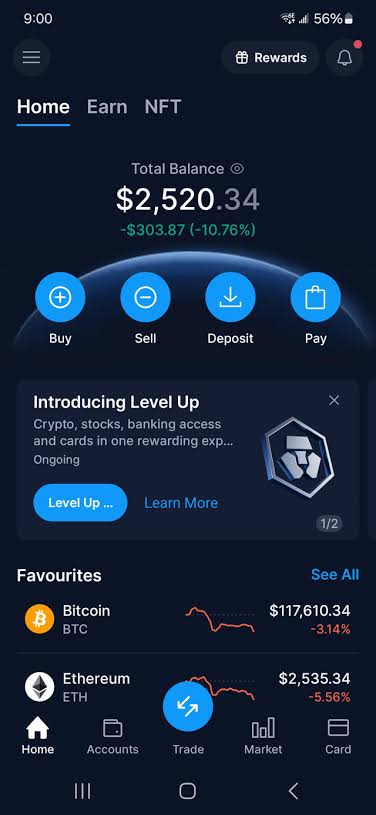
Stop-Loss Orders: For trading, use stop-loss orders to limit potential losses.
Insurance: Explore crypto insurance options that protect against hacks or fraud.
Contingency Plans: Prepare for market crashes or regulatory changes with backup strategies.
Continuous Learning: Stay adaptable by constantly updating your knowledge and business model.
Being proactive about risks helps you stay afloat during downturns and capitalize on market rebounds.
Build Trust and Provide Value
Trust is the foundation of any successful business, especially in the crypto space where skepticism is common.
- Transparency: Be open about your business practices, fees, and risks.
- Customer Education: Provide educational content to help your clients understand crypto better.
- Security: Prioritize user data protection and secure transactions.
- Customer Support: Offer responsive and helpful support to build loyalty.
Customers who trust your brand are more likely to stay and refer others, increasing your profitability over time.
Track Performance and Adapt
Regularly monitor your business performance using key metrics such as revenue, customer acquisition cost, and profit margins. Use this data to:
- Identify what’s working and what isn’t
- Adjust your strategies and offerings accordingly
- Explore new markets or products
Flexibility and data-driven decisions keep your crypto business profitable in a rapidly changing environment.
Final Thoughts
Starting a profitable crypto business without losing your investment is achievable with the right approach. Focus on education, clear planning, risk management, compliance, and building strong relationships. Remember, the crypto industry rewards those who are patient, informed, and adaptable.
We want to hear from you! Have you started a crypto business? What challenges and successes have you experienced? Share your story and tips in the comment section below. Let’s learn and grow together as a community.
Thank you for reading Black Focus Magazine. Stay tuned for more insights to help you thrive in the digital economy.