

















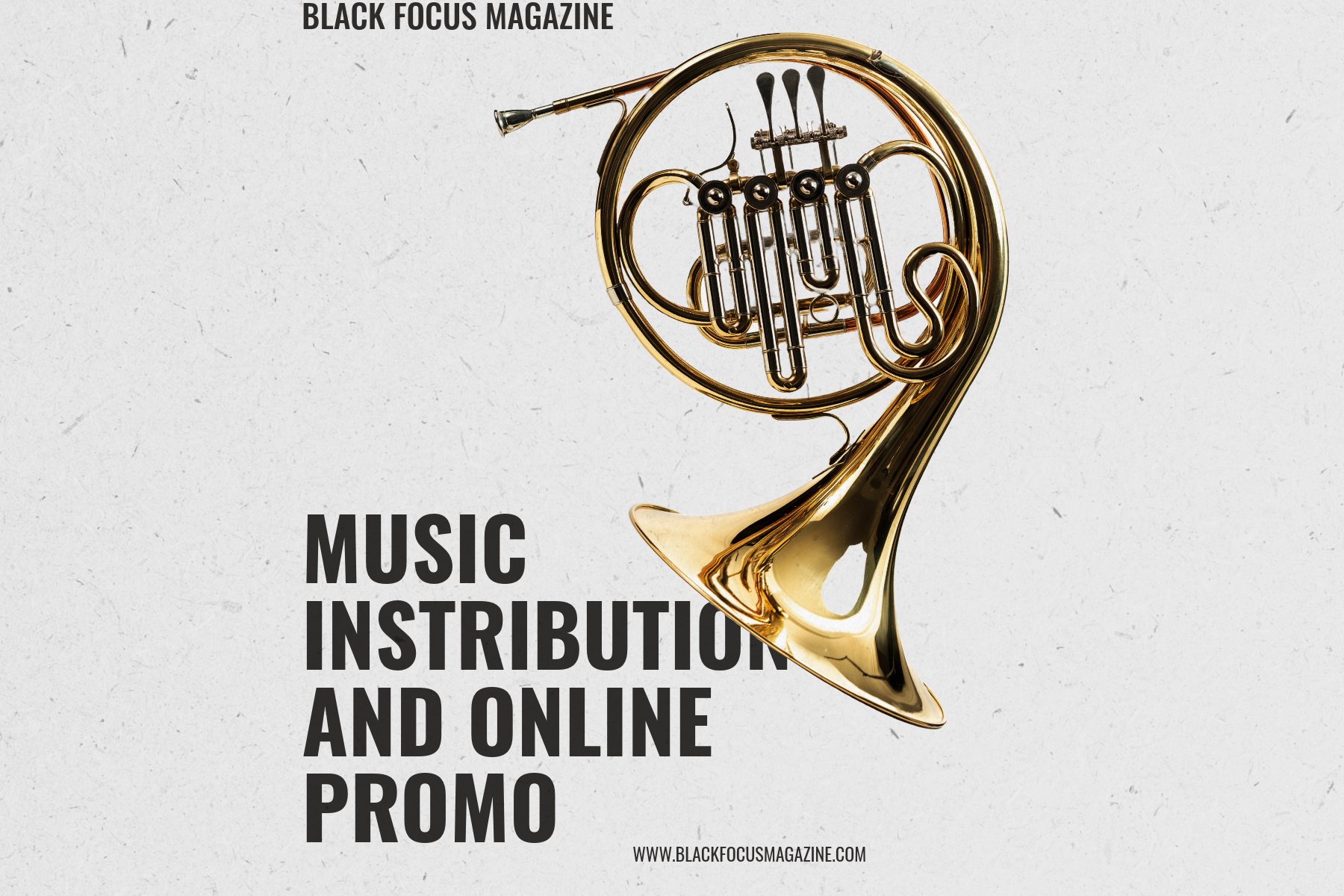
In today’s digital age, the music industry has undergone a revolutionary shift. For musical artists, especially emerging talents in the Black community, the internet offers unprecedented opportunities to distribute and promote music globally without relying solely on traditional record labels. However, navigating the vast and sometimes overwhelming digital landscape requires strategy, creativity, and persistence.
This guide will walk you through the essential steps a musical artist can take to effectively distribute and promote music online—maximizing reach, building a loyal fanbase, and ultimately growing a sustainable career.
Understanding the Importance of Online Distribution and Promotion
Before diving into specific strategies, it’s important to understand why online distribution and promotion are vital:
- Global Reach: The internet breaks down geographical barriers, allowing your music to reach fans worldwide.
- Control and Independence: Artists can independently release music without needing a label, retaining rights and creative control.
- Direct Fan Engagement: Social media and streaming platforms enable direct interaction with listeners, fostering stronger connections.
- Cost-Effectiveness: Online tools often require minimal investment compared to traditional physical distribution and advertising.
Step 1: Prepare Your Music for Digital Distribution
Before distributing your music online, ensure it is professionally produced and ready for release:
- Quality Production: Invest time and resources in recording, mixing, and mastering to meet industry standards.
- Metadata: Prepare accurate metadata including song titles, artist name, genre, and release date, which helps with searchability and royalties.
- Cover Art: Create eye-catching cover art that reflects your brand and music style, as this is the first thing listeners see.
Step 2: Choose the Right Digital Distribution Platforms
To get your music on major streaming services and digital stores, you need a digital distributor or aggregator. These services upload your music to platforms like Spotify, Apple Music, Amazon Music, YouTube Music, and more.
Popular digital distributors include:
- DistroKid: Known for fast uploads and affordable pricing.
- TuneCore: Offers detailed sales reports and retains 100% of your royalties.
- CD Baby: Provides physical and digital distribution with additional marketing services.
- Amuse: A free option with premium upgrade possibilities.
Consider the following when choosing a distributor:
- Pricing Structure: One-time fee, subscription, or percentage of royalties.
- Additional Services: Marketing, playlist pitching, sync licensing opportunities.
- Platform Reach: Ensure they distribute to platforms popular among your target audience.
Step 3: Optimize Your Artist Profile and Content
Once your music is live, your artist profile on streaming platforms and social media needs to be polished and engaging:
- Complete Your Profile: Add a professional photo, biography, links to social media, and upcoming events.
- Create a Brand: Develop a consistent visual style and messaging that reflects your music and personality.
- Upload Additional Content: Share behind-the-scenes videos, lyric videos, and live performance clips to keep fans engaged.
Step 4: Leverage Social Media for Promotion
Social media is a powerful tool for music promotion. Here’s how to use it effectively:
- Choose the Right Platforms: Focus on platforms where your target audience is most active, such as Instagram, TikTok, Twitter, and Facebook.
- Regular Posting: Share a mix of content—music releases, personal stories, collaborations, and fan shoutouts.
- Engage with Fans: Respond to comments, participate in challenges, and encourage user-generated content like covers or dance videos.
- Use Hashtags and Trends: Leverage trending hashtags and challenges to increase visibility organically.
- Collaborate with Influencers: Partner with social media influencers or other artists to expand your reach.
Step 5: Utilize Streaming Playlists and Algorithmic Discovery
Playlists are crucial for music discovery today:
- Submit to Editorial Playlists: Many streaming platforms accept submissions for their curated playlists. Prepare a compelling pitch that highlights your music’s unique qualities.
- Create Your Own Playlists: Compile playlists featuring your music alongside tracks from similar artists to attract listeners.
- Encourage Followers to Add Your Songs: Ask fans to add your music to their personal playlists, increasing streams and exposure.
- Focus on Algorithmic Playlists: Platforms like Spotify have personalized playlists (Discover Weekly, Release Radar). Boost your chances by increasing your follower count and engagement.
Step 6: Invest in Paid Advertising and Promotions
Organic growth is essential, but paid advertising can accelerate your reach:
- Social Media Ads: Platforms like Facebook, Instagram, and TikTok offer targeted ads to reach specific demographics.
- YouTube Ads: Promote music videos or lyric videos to targeted users.
- Streaming Platform Ads: Spotify and Pandora allow artists to run audio and display ads.
- Collaborations with Music Blogs and Influencers: Paid partnerships can boost credibility and introduce your music to new audiences.
Set clear goals and budgets, then analyze the results to optimize future campaigns.
Step 7: Engage with Your Community and Use Email Marketing
Building a loyal fanbase requires consistent engagement:
- Host Live Streams: Use Instagram Live, Twitch, or YouTube Live to perform, answer questions, and interact.
- Create Fan Groups: Use Facebook Groups or Discord servers to build a community around your music.
- Email Newsletters: Collect email addresses to send updates, exclusive content, and early access to releases.
Emails often have higher engagement than social media and provide direct access to your biggest supporters.
Step 8: Explore Additional Revenue Streams
Beyond streaming royalties, consider other ways to monetize your music online:
- Merchandise: Sell branded clothing, accessories, and physical copies.
- Crowdfunding: Platforms like Patreon or Kickstarter can fund projects while growing your fanbase.
- Sync Licensing: Get your music placed in TV shows, commercials, and films.
- Virtual Concerts and Experiences: Host paid online performances or offer personalized experiences.
Step 9: Track Your Performance and Adapt
Use analytics tools provided by streaming platforms, social media, and distributors to monitor your music’s performance:
- Track streams, downloads, and sales.
- Analyze audience demographics and behaviors.
- Test different promotional strategies and adjust based on results.
Data-driven decisions help you optimize your efforts and grow sustainably.
Final Thoughts
Distributing and promoting music online requires dedication, creativity, and a strategic approach. For Black artists striving to amplify their voices and artistry, digital platforms offer unparalleled opportunities to reach global audiences and build thriving careers on your own terms.
We want to hear from you! How have you distributed or promoted your music online? What platforms and strategies worked best for you? What challenges did you face? Share your experiences and tips in the comment section below. Your insights can inspire and guide fellow artists in our community. To have the development tools, join the BFM Foundation.
Thank you for reading Black Focus Magazine. Stay tuned for more empowering content to support your artistic journey.