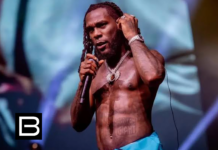













The music industry has always been a dynamic ecosystem, continuously evolving with technological and cultural shifts. In recent years, social media platforms have transformed the landscape of music production, promotion, and distribution, empowering artists in unprecedented ways. From viral hits born on TikTok to independent musicians securing record deals through Instagram and YouTube, social platforms have become vital tools for shaping careers and redefining the music business.
At Black Focus Magazine, we celebrate how these platforms democratize music creation and elevate diverse voices. We invite you to share your thoughts and experiences in the comment section below—your story might be our next featured publication, with full credit to you.
The Rise of Social Platforms in Music Creation and Promotion
Traditional music production often required access to studios, industry contacts, and significant financial resources. Today, social platforms provide a more accessible avenue for artists to create, share, and promote their work directly to global audiences.
Democratizing Music Production
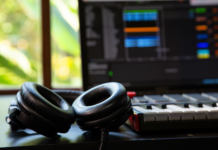
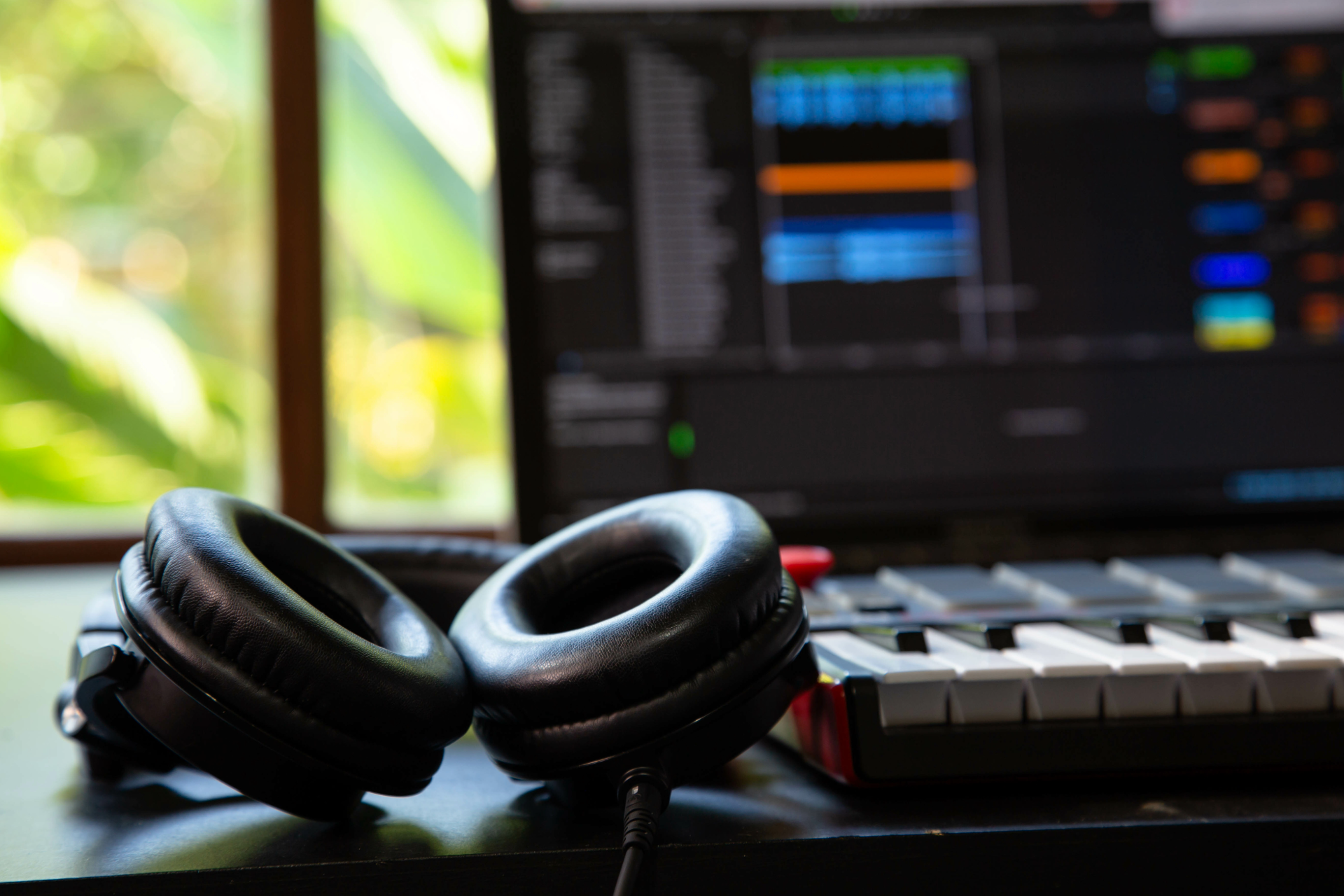
With tools like GarageBand, FL Studio Mobile, and built-in recording features on smartphones, artists can produce high-quality music from their bedrooms or on the go. Social platforms enable immediate sharing, fostering rapid feedback and collaboration.
Viral Trends and the Power of Algorithms
Apps like TikTok, Instagram Reels, and YouTube Shorts use algorithm-driven feeds that can catapult a song from obscurity to global sensation overnight. Viral dance challenges, memes, and user-generated content often center around catchy hooks or beats, driving streams and downloads.
Viral Hits: Stories Behind Social Media Breakthroughs
Case Study 1: Lil Nas X – “Old Town Road”
Lil Nas X’s breakout hit began as a TikTok favorite, where its catchy fusion of country and trap beats inspired viral videos and challenges. The grassroots popularity prompted official remixes and collaborations, propelling the song to record-breaking chart success.
Case Study 2: Doja Cat – “Say So”
Doja Cat leveraged TikTok trends and engaging visuals to amplify “Say So,” turning it into a mainstream hit. Her presence across multiple platforms helped grow a diverse fanbase, showcasing the importance of cross-platform engagement.
Case Study 3: Rema – “Calm Down”
Nigerian artist Rema’s “Calm Down” gained international traction through social media shares, dance challenges, and streaming playlists. The viral momentum led to collaborations with global stars and major label attention, exemplifying how social platforms bridge local and global markets.
Independent Artists and Record Deals: New Paths to Success
Social platforms have shifted power dynamics in the industry, allowing independent artists to build careers without initial label backing.
Building a Fanbase from Scratch
Platforms like SoundCloud, Bandcamp, and YouTube enable artists to upload music directly and connect with listeners. Consistent engagement through live streams, behind-the-scenes content, and interactive Q&As fosters loyal communities.
Attracting Label Interest Organically
Record labels increasingly scout talent based on social metrics—followers, engagement, and viral potential—rather than traditional demos or agent referrals. This shift creates opportunities for artists with strong digital presences to negotiate better deals.
DIY Marketing and Branding
Independent musicians control their image and messaging, using tools like Instagram Stories and Twitter to shape narratives authentically. This autonomy helps differentiate artists and build relatable brands.
Social Platforms as Collaborative Spaces
Beyond promotion, social media facilitates collaboration:
- Artists connect across continents to co-write and produce songs remotely using platforms such as Splice and Soundtrap.
- Producers and remixers discover each other through TikTok snippets or Instagram reels.
- Fans contribute to creative processes through challenges or feedback polls.
This interconnected ecosystem accelerates creativity and innovation.
Monetization Opportunities on Social Platforms
Artists benefit from multiple revenue streams facilitated by social media:
- Direct Fan Support: Platforms like Patreon and Ko-fi allow fans to fund artists directly.
- Live Performances: Virtual concerts on Instagram Live, Twitch, or YouTube generate ticket sales and tips.
- Brand Partnerships: Influencers and musicians collaborate on sponsored content, expanding income sources.
- Merchandising: Social shops and link-in-bio tools make selling merchandise seamless.
Challenges and Considerations for Artists
While social platforms offer immense opportunities, artists face challenges:
- Algorithm Dependence: Success can hinge on opaque algorithms, making visibility unpredictable.
- Content Saturation: The flood of content demands consistent output and innovation to stand out.
- Mental Health: The pressure to engage constantly and handle online criticism can affect well-being.
- Revenue Gaps: Monetization can be uneven, with platform fees and variable ad revenue.
Artists must balance creativity with strategic planning and self-care.
Tips for Artists Navigating Social Platforms
1. Be Authentic
Audiences value genuine connections. Share your story and creative journey honestly.
2. Engage Consistently
Regular posts, stories, and interactions keep your audience invested.
3. Leverage Trends Creatively
Participate in viral challenges while maintaining your unique style.
4. Collaborate Strategically
Partner with other creators to cross-pollinate audiences.
5. Monitor Analytics
Use platform insights to refine content and timing.
6. Protect Your Rights
Understand copyright, licensing, and contracts before signing deals.
The Broader Impact: Cultural Shifts and Industry Transformation
Social platforms have not only transformed individual careers but also reshaped cultural narratives and industry standards.
- Increased Diversity: Artists from underrepresented backgrounds gain visibility, broadening mainstream music’s scope.
- Genre Fluidity: Platforms encourage genre blending, reflecting evolving listener tastes.
- Fan-Driven Trends: Audiences influence music production and promotion more directly.
- Global Connectivity: Cross-cultural collaborations and international hits flourish.
This evolution fosters a more inclusive and vibrant music ecosystem.
Join the Conversation: Share Your Experience
Are you an artist, producer, or fan who has witnessed or contributed to the power of social platforms in music? What strategies have worked for you? How do you see these platforms shaping the future of music production and discovery?
We invite you to share your stories, tips, and questions in the comment section below. Your voice may be featured in our next Black Focus Magazine edition, with full credit.
Conclusion
Social platforms have revolutionized music production, promotion, and monetization. From viral sensations to independent deal-makers, artists navigate these digital spaces to create, connect, and succeed on their own terms.
At Black Focus Magazine, we celebrate this transformation and the diverse talents driving it. Through shared knowledge and community dialogue, we empower artists and fans alike to thrive in the streaming era.
Thank you for reading and joining this vital conversation.
Black Focus Magazine – Amplifying Voices, Empowering Creators, Connecting Cultures.