

























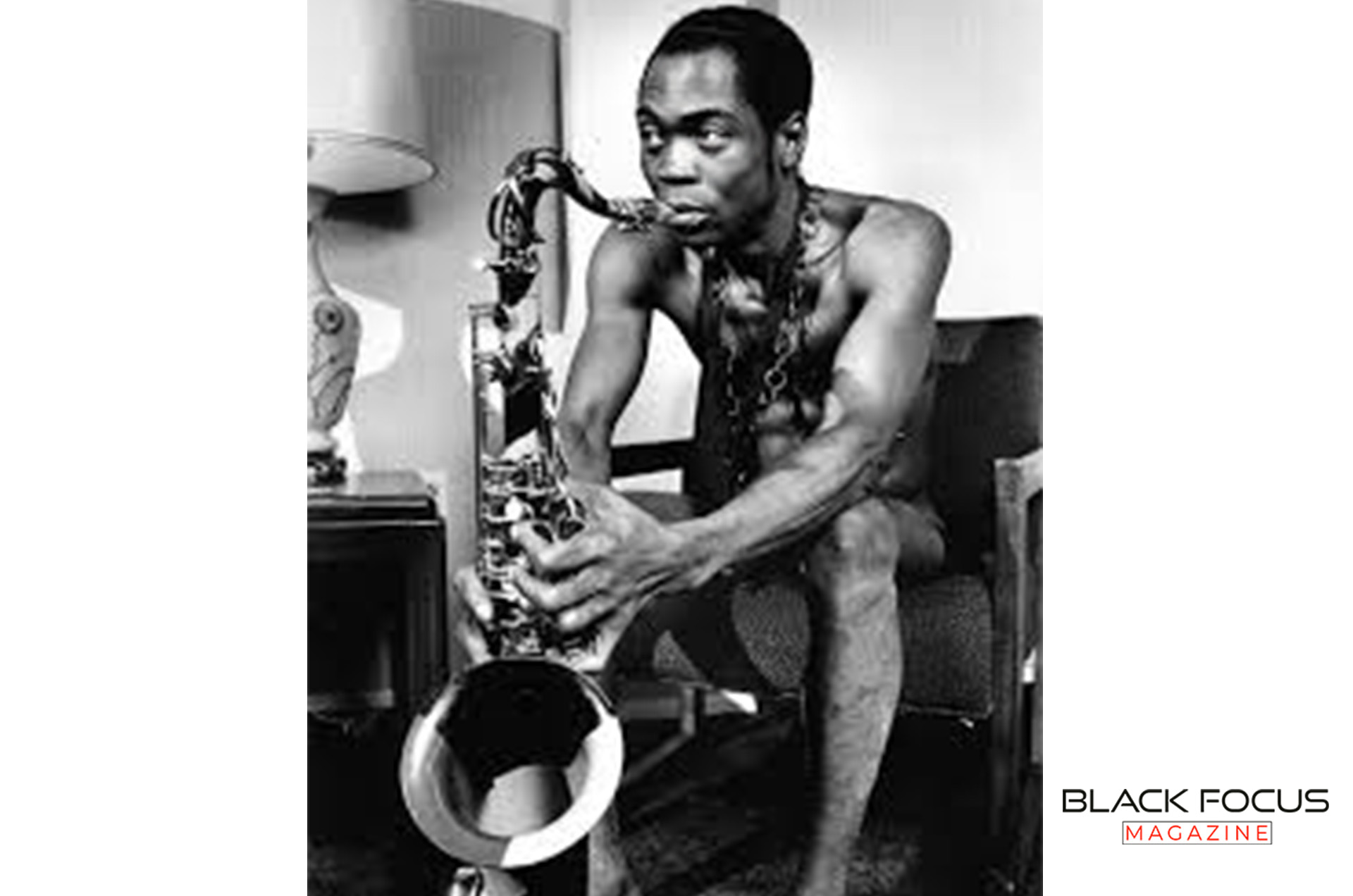
Fela Anikulapo Kuti (1938–1997) remains one of the most extraordinary figures in African music and culture. As a multi-instrumentalist, bandleader, composer, and political activist, Fela revolutionized African music by creating Afrobeat, a genre that fused traditional Yoruba rhythms with highlife, jazz, funk, and soul. His groundbreaking sound not only captivated audiences worldwide but also became a powerful vehicle for social and political change.
Fela’s legacy endures as the father of Afrobeat, a visionary artist whose music transcended entertainment to become a bold form of protest and a catalyst for African pride. This article explores the life, artistry, activism, and enduring influence of this legendary figure.
Early Life: The Making of a Musical Revolutionary
Born in 1938 in Abeokuta, Nigeria, Fela Kuti was raised in a politically aware and culturally rich environment. His mother, Funmilayo Ransome-Kuti, was a prominent activist and feminist, while his father was a Protestant minister and school principal. This upbringing instilled in him a deep sense of social justice and cultural pride.
Initially, Fela pursued studies in medicine and later music in London, where exposure to jazz and funk profoundly shaped his musical direction. It was also in London that he first encountered the civil rights movements and anti-colonial activism, inspiring his future fusion of music and political resistance.
The Birth of Afrobeat: A Genre Like No Other
Upon returning to Nigeria in the late 1960s, Fela began to experiment with blending African rhythms and Western musical styles. Collaborating with talented musicians, he developed a sound that was rhythmic, hypnotic, and layered with complex percussion, horns, and call-and-response vocals.
Musical Influences
- Traditional Yoruba Music: The polyrhythms and chants of his Yoruba heritage formed the core of Afrobeat’s sound.
- Highlife: Popular West African dance music that added melodic and harmonic texture.
- Jazz and Funk: Artists like James Brown inspired Fela’s energetic brass arrangements and groove-driven basslines.
- Soul: The emotive vocal style and political consciousness of American soul music influenced his lyrical delivery.
Afrobeat songs typically featured extended instrumental sections, complex grooves, and infectious rhythms designed not just for entertainment but to create a trance-like state encouraging reflection and movement.
Music as Protest: Fela’s Fearless Activism
Fela Kuti’s music transcended artistry—it was a weapon of resistance against corruption, oppression, and injustice. His lyrics were unapologetically direct, calling out Nigerian military regimes, government corruption, and social inequalities. Songs like “Zombie” criticized the mindless obedience of soldiers, while “Sorrow, Tears and Blood” recounted the brutal repression of civilians.
Key Themes in His Music
- Political Corruption: Exposing the greed and abuse of power by Nigeria’s political elite.
- Colonial Legacy: Challenging neo-colonial influences and advocating for African self-determination.
- Social Injustice: Highlighting poverty, inequality, and police brutality.
- Cultural Reclamation: Celebrating African traditions and rejecting Western cultural domination.
Such boldness made Fela a target for government harassment, imprisonment, and violent attacks. Yet, he persisted, using his music and public persona to amplify the voices of the marginalized.
Kalakuta Republic: Fela’s Haven of Freedom
In the 1970s, Fela established the Kalakuta Republic, a communal compound that served as his home, recording studio, and political headquarters. Declaring it independent from Nigerian government control, Kalakuta became a symbol of defiance and creativity.
The compound was a bustling cultural hub where musicians, dancers, and activists gathered to create, protest, and live freely. Despite repeated government raids, Kalakuta embodied Fela’s vision of artistic and political liberation.
Legacy Beyond Music: Cultural and Political Impact
Fela Kuti’s influence extends far beyond his music:
Inspiring Generations of Musicians
Afrobeat has inspired countless artists across Africa and globally. Musicians like Burna Boy, Wizkid, Seun Kuti (Fela’s son), and international stars have drawn from Fela’s rhythms and messages. The genre has evolved but remains rooted in Fela’s pioneering spirit.
Political Symbolism
Fela became a symbol of resistance against tyranny and injustice, inspiring activists and social movements. His life story continues to educate new generations about the power of art in social change.
Cultural Pride and Identity
By celebrating African heritage unapologetically, Fela helped reclaim African identity in a post-colonial world. Afrobeat music serves as a cultural bridge, connecting diasporic communities and fostering pan-African solidarity.
Fela’s Music Today: Timeless and Relevant
Decades after his passing in 1997, Fela’s music continues to resonate:
- His songs are sampled and covered worldwide, influencing genres from hip-hop to electronic music.
- Contemporary Afrobeat festivals celebrate his contributions and keep his spirit alive.
- Documentaries, biographies, and stage productions like the Broadway hit “Fela!” introduce his story to new audiences.
The themes of resistance and empowerment in his music remain relevant amid ongoing struggles for social justice in Nigeria and beyond.
Personal Life: Complex, Controversial, and Human
Fela’s life was as complex as his music. Known for his charismatic stage presence and flamboyant style, he was also a polarizing figure. His relationships, outspoken views, and unconventional lifestyle sparked debate and fascination.
He married multiple women, challenged societal norms, and openly criticized religious and political institutions. These facets of his life add to the rich tapestry of his legend.
Honoring the Legend
In Nigeria and globally, Fela Kuti is honored through:
- Annual Felabration Festival: A week-long music festival celebrating his life and Afrobeat music, held in Lagos.
- Statues and Memorials: Erected in his home and other cultural spaces.
- Academic Studies: Scholars explore his music, activism, and cultural impact.
- Continued Artistic Tributes: Albums, concerts, and films that keep his legacy alive.
Final Thoughts: The Enduring Power of Fela Kuti’s Legacy
Fela Kuti was more than a musician; he was a cultural revolutionary whose art challenged the status quo and empowered millions. His creation of Afrobeat not only transformed music but also ignited a movement of political consciousness, cultural pride, and fearless resistance.
In a world still grappling with inequality and oppression, Fela’s life and music serve as powerful reminders of art’s ability to inspire change and uphold human dignity.
As the father of Afrobeat, Fela Kuti’s influence will continue to echo through generations, reminding us all that music is not just sound—it is a force for liberation.
Black Focus Magazine honors Fela Anikulapo Kuti—the greatest Afrobeat artist and visionary founder of a genre that changed music forever.
Join the Conversation
What does Fela Kuti’s music mean to you? How has his legacy shaped your view of African culture and music? Share your thoughts in the comments below!
For more stories celebrating African legends and culture, stay connected with Black Focus Magazine—your source for inspiration, history, and empowerment.