





















Nigerian wedding fashion has undergone a remarkable transformation over the years, evolving from vibrant, close-knit traditions to a powerful cultural export influencing fashion runways around the world. Central to this journey is Aso-Ebi, the colorful, coordinated attire worn by family and friends to celebrate unity and love. Today, Nigerian wedding fashion is not just a local celebration; it’s a global phenomenon that showcases African creativity, craftsmanship, and style on the international stage.
In this article, we explore the rich history of Nigerian wedding fashion, its cultural significance, and how it made the leap from local ceremonies to global fashion runways, influencing designers and trendsetters worldwide.
The Heart of Nigerian Wedding Fashion: Aso-Ebi
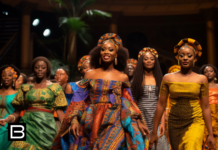
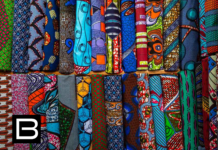
Aso-Ebi (meaning “family cloth” in Yoruba) is a distinctive tradition that symbolizes solidarity and support among family and friends during weddings and other special occasions. The concept is simple yet powerful: a group of people wear matching or coordinated fabrics, typically vibrant lace, Ankara, or George fabric, to show their connection to the celebrants.
Origins and Cultural Significance
Aso-Ebi traces its roots to Yoruba culture, where it was initially worn by close family to signify unity and respect. Over time, it expanded to include friends and extended family, creating a colorful tapestry of support at weddings.
Each wedding party selects a unique fabric pattern or color, which guests then purchase and tailor into tailored outfits, reflecting personal style while maintaining group cohesion. This practice fosters a sense of belonging and joy, making weddings lively, visually stunning affairs.
Nigerian Wedding Fashion: More than Just Fabric
While Aso-Ebi is the centerpiece, Nigerian wedding fashion encompasses a wide array of styles, accessories, and ceremonial attires that vary among ethnic groups:
- Gele: The elaborate headwrap worn by women, often intricately tied in towering styles, is a symbol of elegance and cultural pride.
- Agbada: The flowing gown worn by men, rich in embroidery and often paired with matching caps, conveys status and tradition.
- Iro and Buba: Traditional wrappers and blouses for women, often crafted from luxurious fabrics.
- Beaded Jewelry: Coral beads and other traditional adornments add regal flair to bridal and groom attire.
These elements combine to create a fashion statement that is both deeply rooted in culture and visually captivating.
The Leap to Global Recognition
Nigerian wedding fashion’s explosion onto the global stage is a story of artistry, innovation, and cultural pride.
The Role of Nigerian Designers
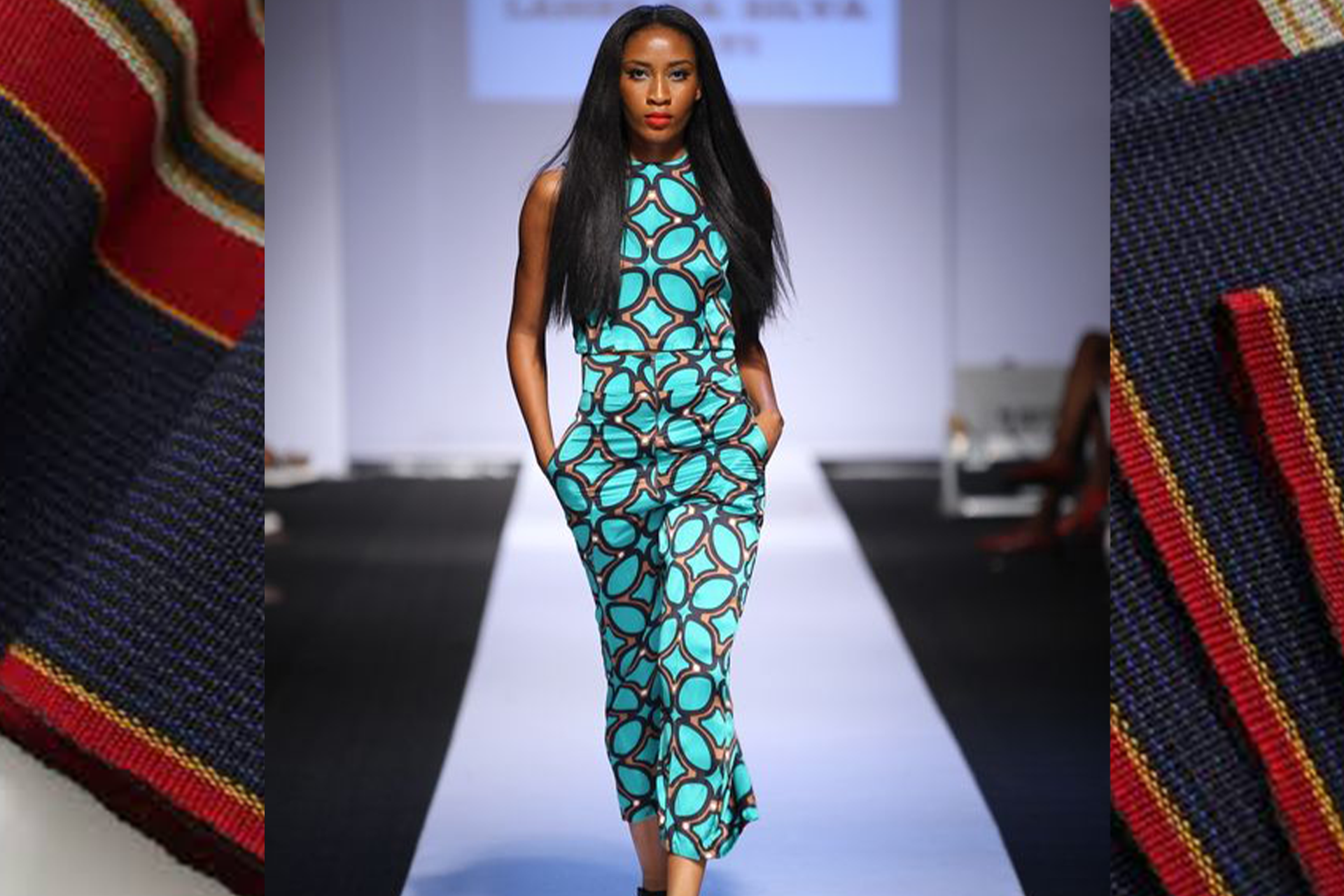
Nigerian fashion designers like Deola Sagoe, Lisa Folawiyo, Lanre Da Silva Ajayi, and Ituen Basi began incorporating traditional fabrics and motifs into high-fashion collections that caught the attention of the international fashion community.
These designers showcased Nigerian aesthetics at global fashion weeks — from Lagos to Paris, London, and New York — blending heritage with contemporary style. Their work helped elevate Aso-Ebi-inspired fabrics and silhouettes into haute couture.
Influencers and Celebrities
The rise of Nigerian celebrities and influencers wearing traditional wedding fashion at public events and on social media has amplified the global reach of this style. Stars like Tiwa Savage, Genevieve Nnaji, and Davido often wear Aso-Ebi or traditional wedding attire, introducing millions worldwide to Nigerian wedding fashion.
Diaspora and Cultural Celebrations
Nigerian diaspora communities across the United States, the UK, and beyond have maintained the tradition of Aso-Ebi, organizing vibrant weddings that attract media attention and influence local fashion industries.
Nigerian Wedding Fashion on the Runway
The global fashion industry has increasingly embraced Nigerian wedding aesthetics, with designers and stylists drawing inspiration from:
- Bold Prints and Colors: Ankara and other African prints have become staples on runways worldwide.
- Intricate Embroidery: Rich detailing from Nigerian wedding fabrics inspires haute couture embellishments.
- Dramatic Headwraps: The gele’s artistry informs avant-garde millinery and headpieces in fashion shows.
- Layered Textures: Combining lace, beads, and velvet to create complex, luxurious garments.
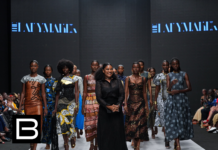
Fashion shows like Lagos Fashion Week and events in London and Paris have featured collections that pay homage to Nigerian wedding traditions, elevating them as symbols of African luxury and innovation.
The Impact on Global Fashion and Beyond
Nigerian wedding fashion’s global influence is reshaping perceptions and creating economic opportunities:
- Cultural Appreciation: It fosters respect and curiosity about African heritage across cultures.
- Economic Growth: The demand for Nigerian fabrics and designs boosts local textile industries and fashion entrepreneurs.
- Empowerment: Nigerian artisans, tailors, and designers gain international recognition and financial support.
- Sustainability: Many Nigerian designers emphasize traditional handcraft techniques, promoting slow fashion.
Join the Conversation
Nigerian wedding fashion is a vibrant, living tradition that continues to evolve and inspire. We want to hear from you! Have you attended a Nigerian wedding or worn Aso-Ebi? How do you see Nigerian wedding fashion influencing global trends? Share your experiences, photos, and thoughts in the comments below.
Let’s celebrate and support the creativity that makes Nigerian wedding fashion a global treasure.
Stay connected with Black Focus Magazine for more stories on African culture, fashion, and innovation.