

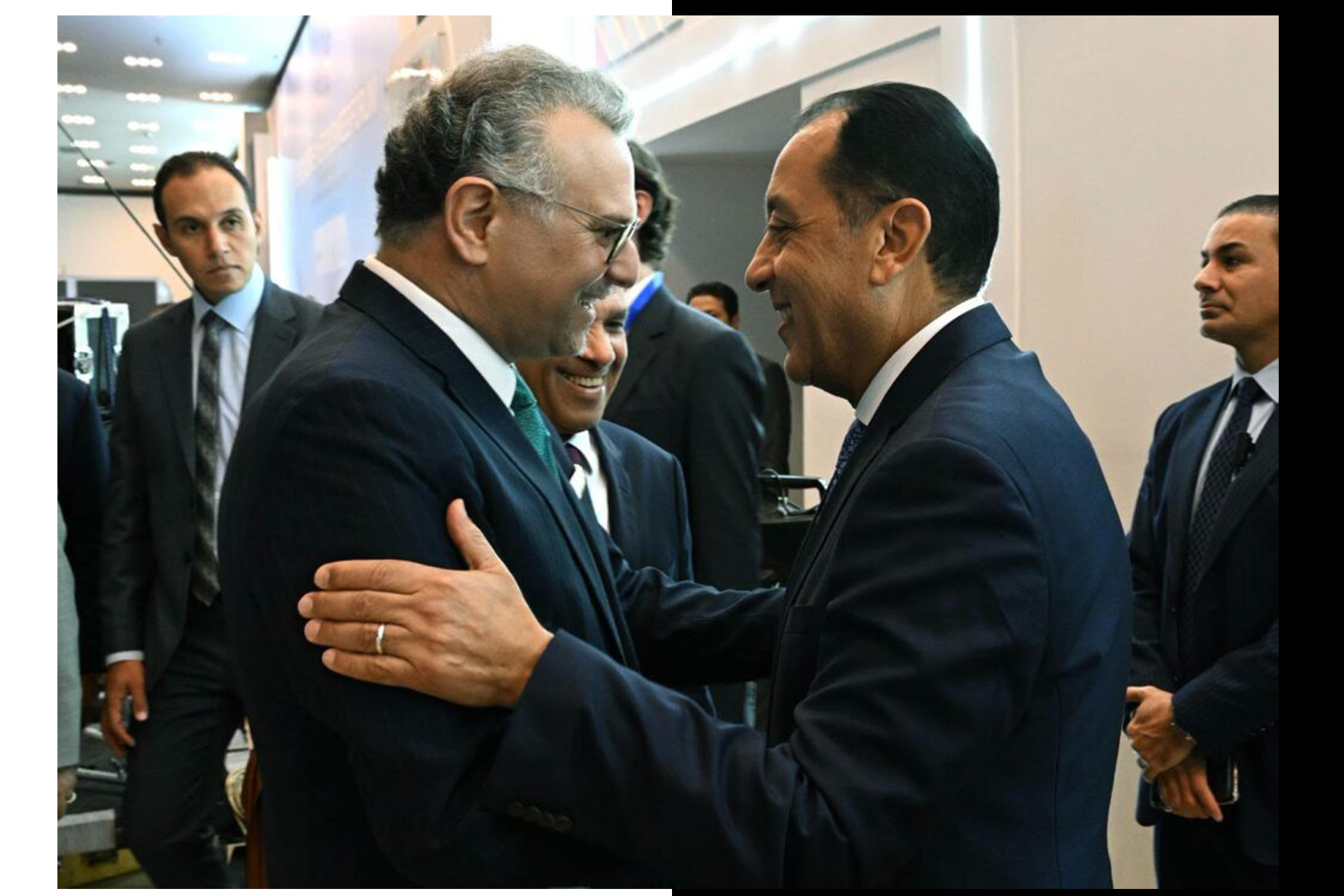
African leaders gathered in Egypt’s Mediterranean city of El-Alamein to discuss a critical vision for the continent’s future: unlocking Africa’s own capital to finance its growth and reduce dependence on external funding. The three-day inaugural Alamein Africa Forum brought together more than 20 heads of state, government representatives, business leaders, bankers, and development institutions, all united by a shared goal of accelerating Africa’s economic transformation through intra-continental cooperation and investment.
Africa’s Private Sector: The Economic Engine
Egyptian President Abdel Fattah al-Sisi, addressing the summit, emphasized that Africa’s private sector remains the continent’s main economic driver, contributing over 70 percent of the gross domestic product (GDP). Despite this, he highlighted a crucial challenge: African businesses are far more connected to international markets outside the continent than to their neighboring countries.
“Around 85 percent of African private-sector transactions are conducted with companies outside the continent,” President al-Sisi noted. This over-reliance on external markets limits Africa’s economic integration and growth potential. The Alamein Africa Forum aims to change this by helping African companies identify opportunities closer to home and build stronger cross-border partnerships that can drive economic prosperity from within.
Intra-African Trade: Progress and Potential
Chairperson of the African Union Commission, Mahmoud Ali Youssouf, praised the progress made in boosting intra-African trade but stressed that much more remains to be done. He shared encouraging data showing that intra-African trade reached $220 billion in 2024, representing 14.4 percent of the continent’s total trade.
This figure reflects a 12.4 percent growth in intra-African trade for 2024, rebounding sharply from a contraction of 5.9 percent the previous year. While this growth is positive, Youssouf reminded delegates that “Africa can do much better.” Expanding trade within Africa is essential for economic resilience, job creation, and sustainable development.
A Forum for Africa’s Future: Key Sectors and Priorities
The Alamein Africa Forum is set to become a biennial event under the African Union’s mandate, focusing on key sectors critical to Africa’s development. These include:
- Infrastructure
- Trade
- Agriculture
- Healthcare
- Mining
- Technology
- Renewable Energy
By targeting these areas, the forum aims to foster collaboration and investments that address Africa’s most pressing economic and social challenges while unlocking new opportunities for growth.
Egypt’s Strategic Shift: Renewed Focus on Africa
Traditionally focused on the Middle East and Mediterranean regions, Egypt is increasingly turning its attention southward, seeking to deepen its influence and partnerships within Africa. This strategic pivot comes amid intensifying competition from global powers like China and Gulf states, especially the United Arab Emirates, which have expanded their economic and political presence across the continent.
Egyptian investments in Africa are estimated at around 14billion∗∗,includingmajorprojectssuchasTanzania’s∗∗3 billion Julius Nyerere Hydropower Project. These investments reflect Egypt’s commitment to playing a leading role in Africa’s development and positioning itself as a key partner in continental progress.
Navigating Regional Challenges and Opportunities
The summit also highlighted ongoing regional challenges, including Egypt’s long-standing dispute with Ethiopia over the Grand Ethiopian Renaissance Dam (GERD). Cairo views the dam as a threat to its historical share of Nile waters, while Ethiopia sees the dam as vital for its economic development.
The dam, inaugurated last year, remains a contentious issue with significant implications for regional cooperation and resource management. Egypt’s efforts to garner broader African support at the forum underscore the importance of unity and collaboration in addressing shared challenges.
Why Unlocking Africa’s Capital Matters
For Africa to realize its full potential, unlocking its own capital and fostering intra-continental investment is essential. This approach will:
- Reduce Africa’s dependence on foreign aid and external financing.
- Strengthen regional integration and economic resilience.
- Create jobs and stimulate innovation within local markets.
- Empower African businesses to scale and compete globally.
- Build sustainable development pathways rooted in African strengths.
The discussions at the Alamein Africa Forum signal a growing consensus among African leaders that the future of the continent lies in harnessing its internal resources, knowledge, and entrepreneurial spirit.
The Path Forward: Building Partnerships and Trust
The success of Africa’s economic transformation hinges on building trust and partnerships across borders. Forums like Alamein provide a critical platform for dialogue, networking, and collaboration among governments, private sector players, and development institutions.
By facilitating connections and sharing best practices, these gatherings help overcome barriers to trade and investment, unlock new capital flows, and promote policies that support inclusive growth.
Conclusion
The inaugural Alamein Africa Forum represents a bold step toward a more integrated and self-reliant African economy. As African leaders call for unlocking the continent’s capital, the message is clear: Africa must invest in itself to thrive.
With sustained commitment and collaboration, the continent can harness its vast potential, reduce its reliance on external funding, and build an economic future that benefits all Africans.
The forum’s emphasis on private sector empowerment, intra-African trade, and strategic investment sectors offers a roadmap for achieving these goals. Egypt’s renewed focus on Africa and its growing investments further underscore the continent’s rising prominence on the global stage.
As this biennial forum continues, it will be important for African stakeholders to remain engaged, seize emerging opportunities, and work together toward a prosperous and unified continent.
Stay connected with us for more insights and updates on Africa’s economic developments and opportunities shaping the future of the continent.


