

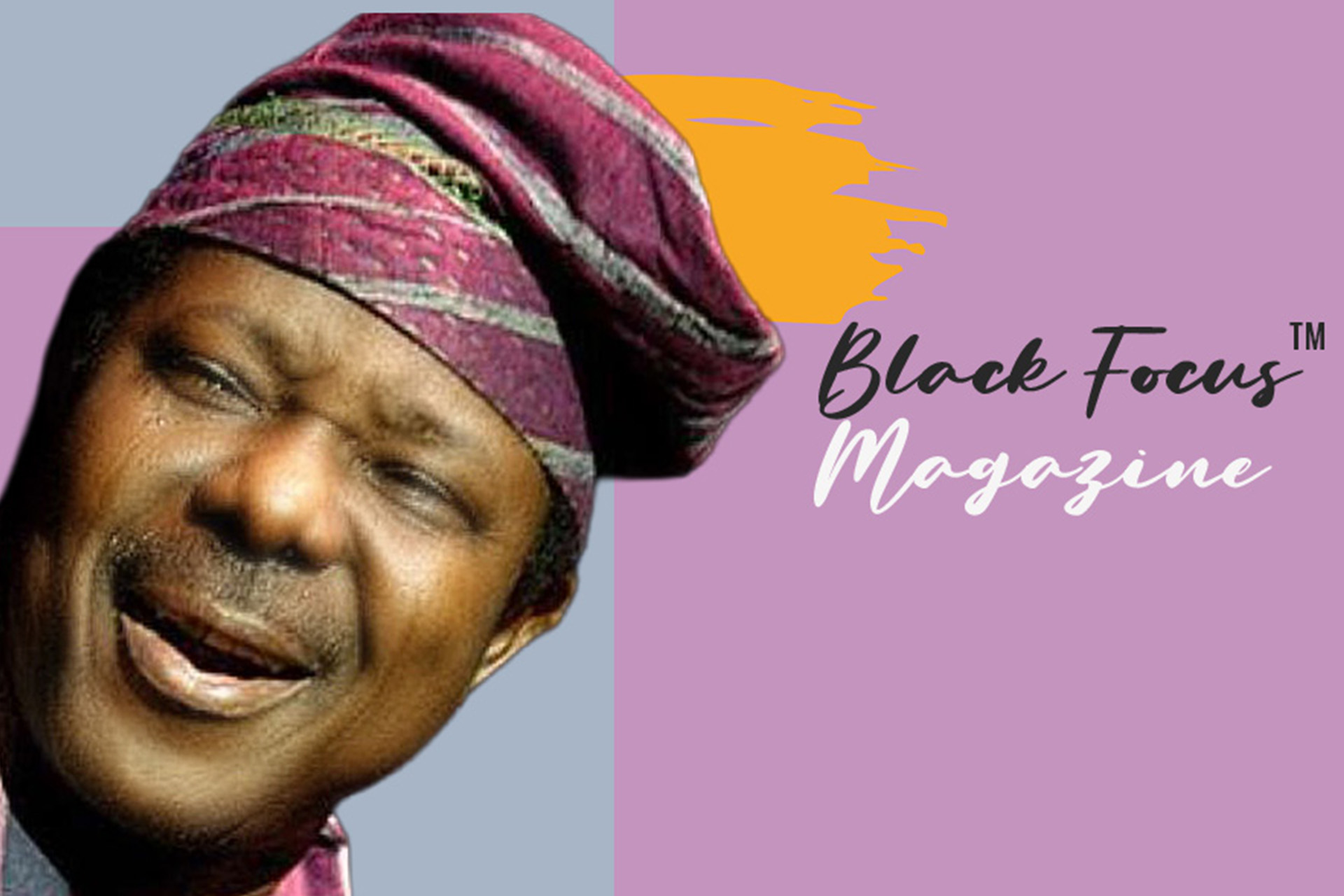
Sunny Ade, often hailed as the “King of Juju Music,” is one of Nigeria’s most influential musical legends whose contributions have shaped the soundscape of African music for decades. With his unique blend of traditional Yoruba rhythms, modern instrumentation, and captivating storytelling, Sunny Ade has not only preserved Nigeria’s rich musical heritage but also propelled it onto the global stage.
The Legacy of Sunny Ade in Nigerian Music
Sunny Ade’s music is a vibrant celebration of Nigerian culture, deeply rooted in Yoruba traditions yet innovatively modern. His pioneering use of the electric guitar, talking drums, and layered percussion created a fresh and infectious sound that defined juju music—a genre that blends traditional rhythms with contemporary elements.
Emerging in the 1960s and reaching global prominence in the 1980s, Sunny Ade’s artistry transformed juju music from local festivities to international concert halls. His hits like “Ja Funmi,” “Synchro System,” and “Oro Mimo” became anthems that transcended generations, resonating with audiences of all ages.
Ade’s innovative approach not only modernized traditional African music but preserved its soul. His intricate guitar work, combined with his distinctive vocal style and storytelling, made his music relatable and timeless. Sunny Ade’s band, the African Beats, became synonymous with high-quality performances and musical excellence.
His albums sold millions, and his influence extended to other Nigerian music genres, inspiring artists to explore the rich heritage of African sounds while embracing innovation. Sunny Ade showed that cultural authenticity and modern appeal could coexist and flourish.
Sunny Ade’s Influence on African Music and Beyond
Sunny Ade’s impact stretches far beyond Nigeria’s borders. He was among the first African artists to gain international recognition, touring extensively in Europe, America, and Asia. His groundbreaking concerts introduced global audiences to the hypnotic rhythms of juju music and the vibrancy of Nigerian culture.
His collaborations with international musicians helped open doors for African music in Western markets. Sunny Ade’s success laid the groundwork for future Afrobeat and Afro-fusion stars such as Fela Kuti, Burna Boy, and Wizkid, who continue to carry African music to global prominence.

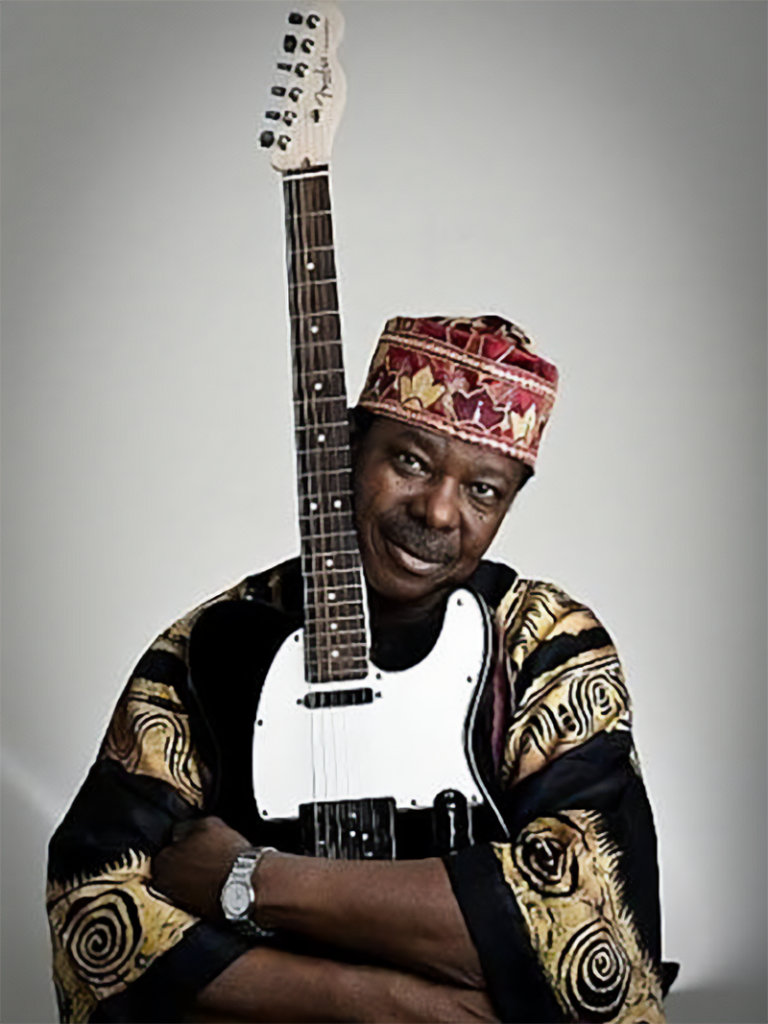
Sunny Ade’s music serves as a cultural bridge, connecting African traditions with the global music community. His ability to maintain Yoruba cultural identity while appealing to diverse audiences worldwide is a testament to his genius.
Why Sunny Ade Matters Today
In an era dominated by digital music, fast-changing trends, and globalized sounds, Sunny Ade’s artistry reminds us of the power of roots, culture, and musical craftsmanship. His commitment to authenticity and innovation offers valuable lessons for new generations of musicians seeking to honor their heritage while embracing modernity.
His music exemplifies how tradition can evolve without losing its essence. Artists today continue to draw inspiration from his guitar techniques, rhythmic complexity, and lyrical storytelling. Sunny Ade’s work encourages musicians to dig deep into their cultural histories to create music that is both meaningful and contemporary.
Furthermore, Sunny Ade’s legacy is a reminder of music’s role in cultural diplomacy—using sound as a universal language to foster understanding and appreciation among different peoples.
Celebrate Sunny Ade’s Iconic Achievements
Sunny Ade’s career is dotted with numerous accolades and milestones that speak to his enduring influence:
- He was the first Nigerian musician to perform at the prestigious Royal Albert Hall in London in 1983, a landmark event that introduced juju music to Western audiences.
- Sunny Ade won the Mnet Music Award for Best Indigenous Artiste and received multiple lifetime achievement awards celebrating his contributions to African music.
- His album Synchro System was a global hit and remains one of the most influential African music records ever produced.
To explore more about Sunny Ade’s iconic achievements and his place in music history, visit this detailed profile on AllMusic.
Join the Conversation
At Black Focus Magazine, we celebrate Sunny Ade’s extraordinary legacy and invite you, our readers, to share your thoughts and memories. How has Sunny Ade’s music influenced your life? What does his legacy mean for Nigerian and African music today?
Your insights and stories enrich our shared appreciation for one of Africa’s greatest musical icons. Join the conversation in the comment section below and let us know:
- Which Sunny Ade song resonates with you the most and why?
- How do you see juju music evolving in the digital age?
- What lessons do you think contemporary African musicians can learn from Sunny Ade?
Looking Ahead: Preserving African Musical Heritage
Sunny Ade’s story is a vital thread in the tapestry of African music history. As new generations emerge and music continues to evolve, preserving and celebrating this heritage is crucial.
At Black Focus Magazine, we are committed to shining a light on the legends who have shaped African culture and music. We encourage music lovers, scholars, and artists to engage with this rich legacy and help ensure that it continues to inspire.
Stay tuned for more inspiring stories, exclusive interviews, and deep dives into the legends shaping African culture and music today.
Explore More About Sunny Ade and Juju Music
- Sunny Ade’s Official YouTube Channel – Watch performances and music videos.
- AllMusic Biography and Discography – Comprehensive career overview.
- The Roots and Evolution of Juju Music – Music in Africa – A detailed look at the genre’s history and significance.
Sunny Ade stands as a towering figure in Nigerian and African music, a true king whose crown is built on decades of innovation, authenticity, and cultural pride. His music continues to move hearts and feet across continents, and his legacy remains a guiding light for artists everywhere.
Celebrate with us the life and work of Sunny Ade — a legend, a pioneer, and the enduring King of Juju Music.


